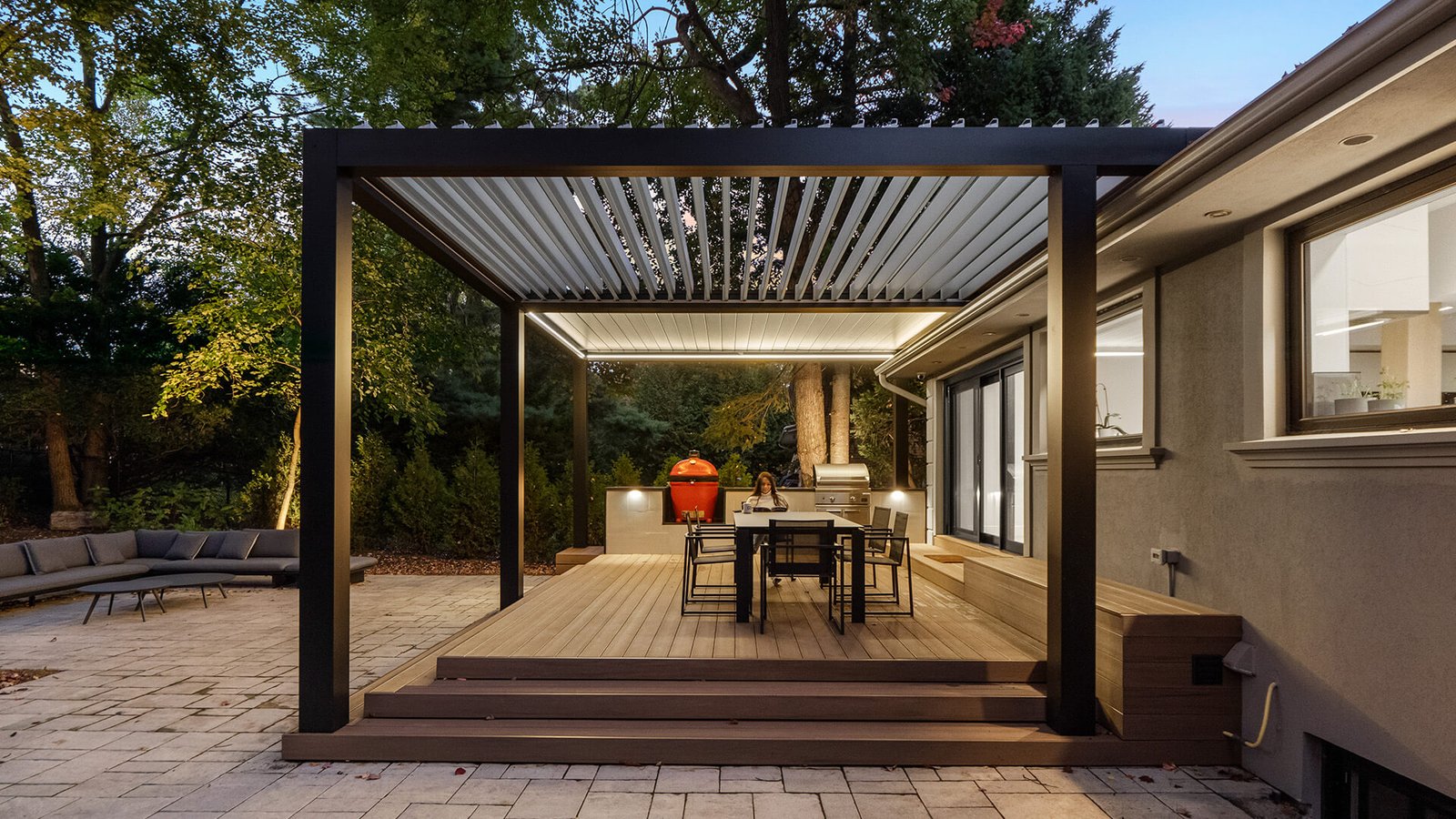
Why the Smartest Square Footage Isn’t Built Indoors
In today’s construction market, adding interior square footage is one of the most expensive decisions a homeowner or builder can make.
Once you factor in framing, mechanical systems, insulation, finishes, and structural requirements, indoor additions routinely cost $200–$400+ per square foot — often more for custom homes. But there’s a more efficient way to increase perceived living space, lifestyle value, and resale appeal:
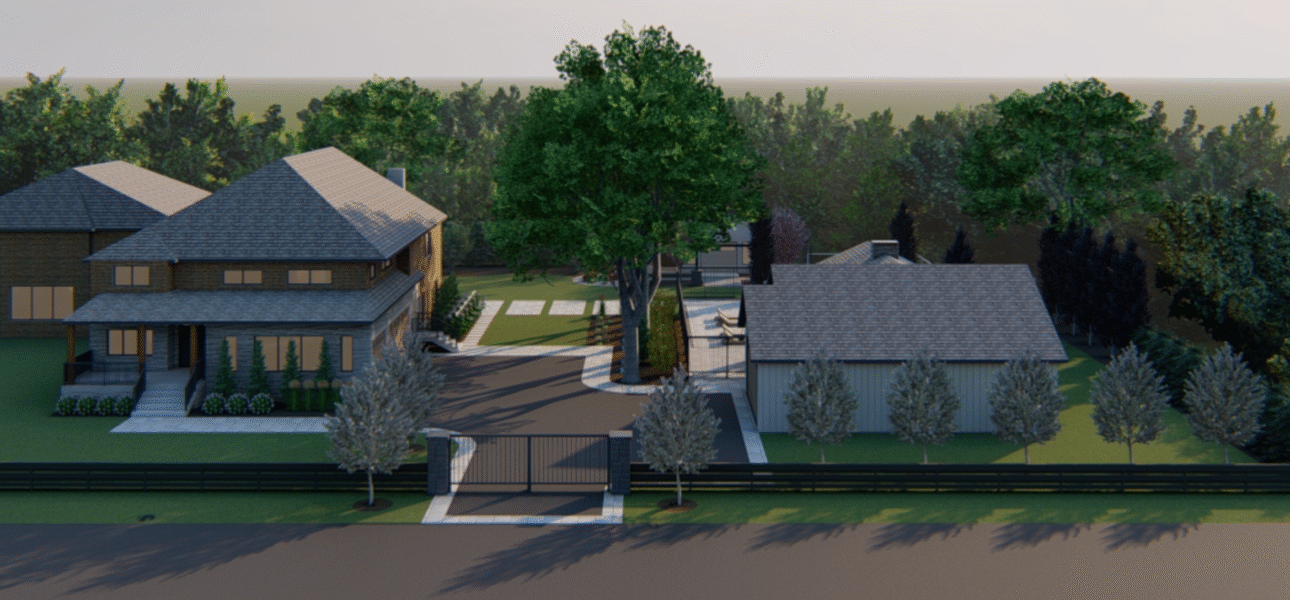
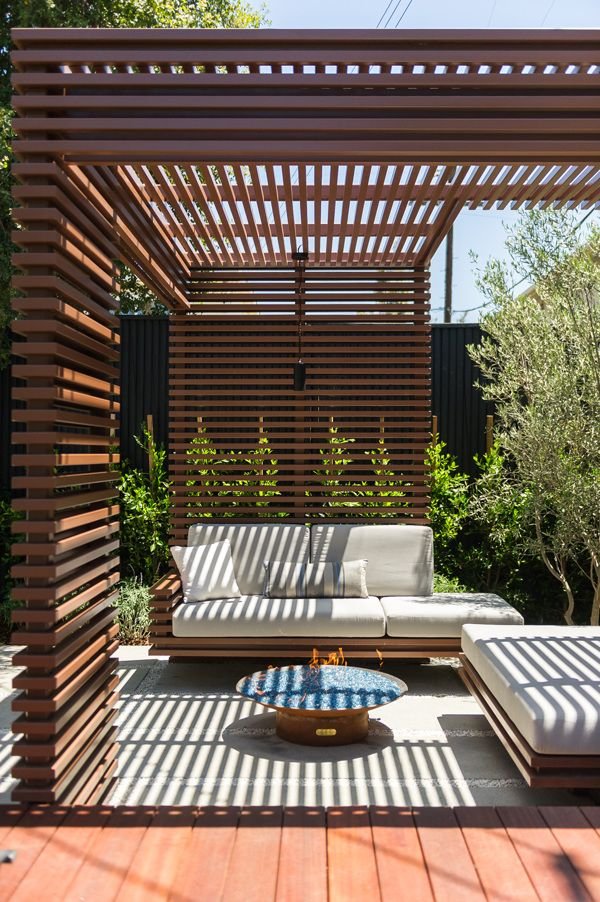
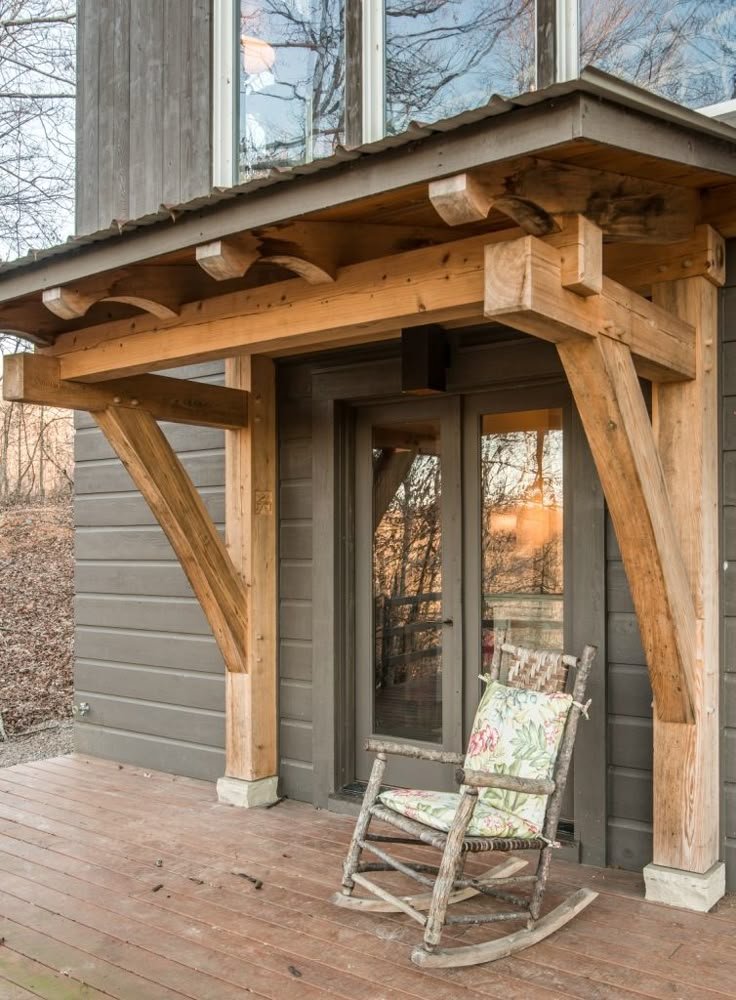
Build it outside: Professionally designed outdoor living spaces deliver many of the same functional and emotional benefits as interior rooms — at a fraction of the cost — while dramatically improving how buyers experience a property.
The Power of “Visual” Square Footage
Buyers don’t experience homes by measuring tape — they experience them emotionally.
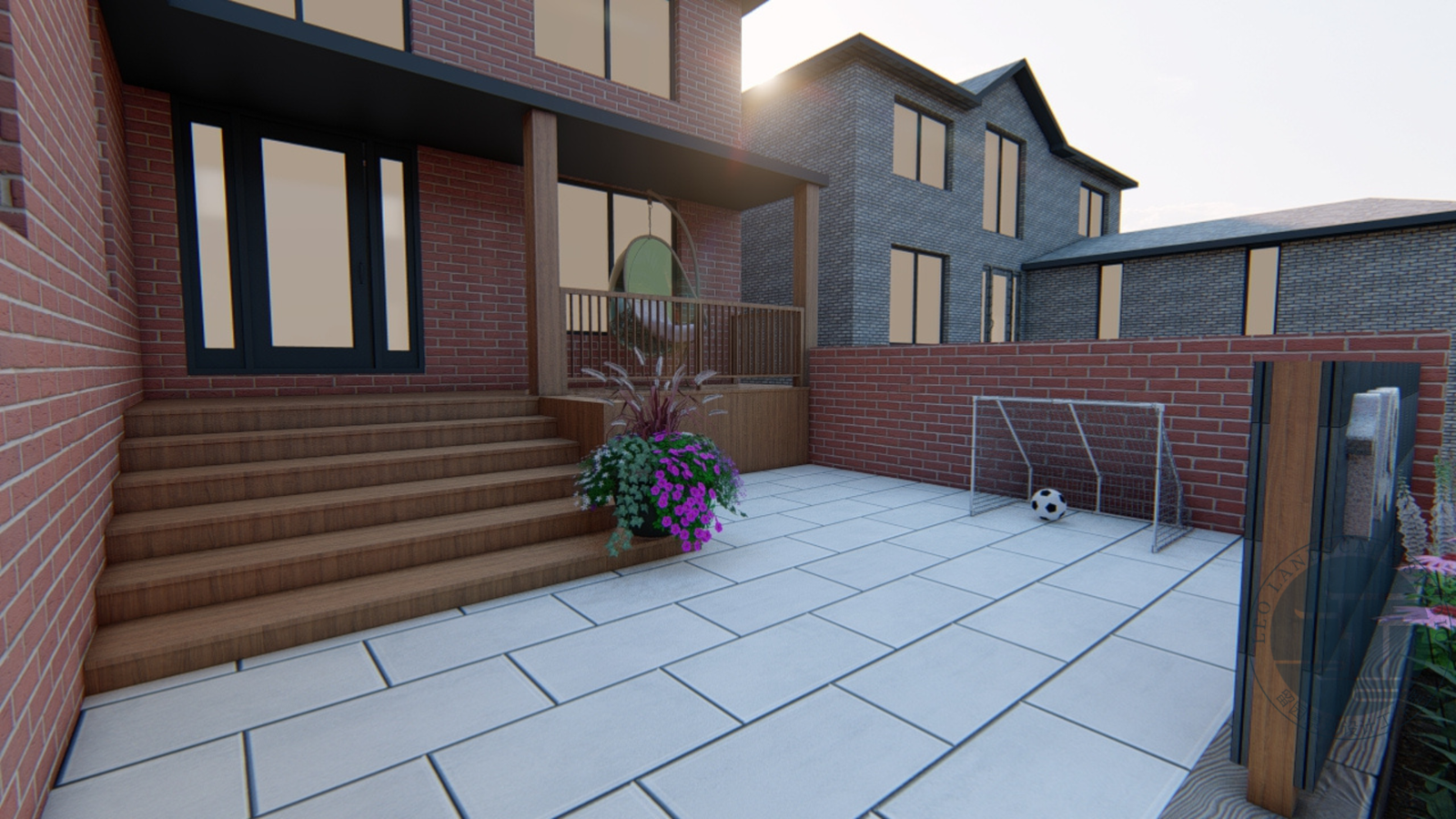
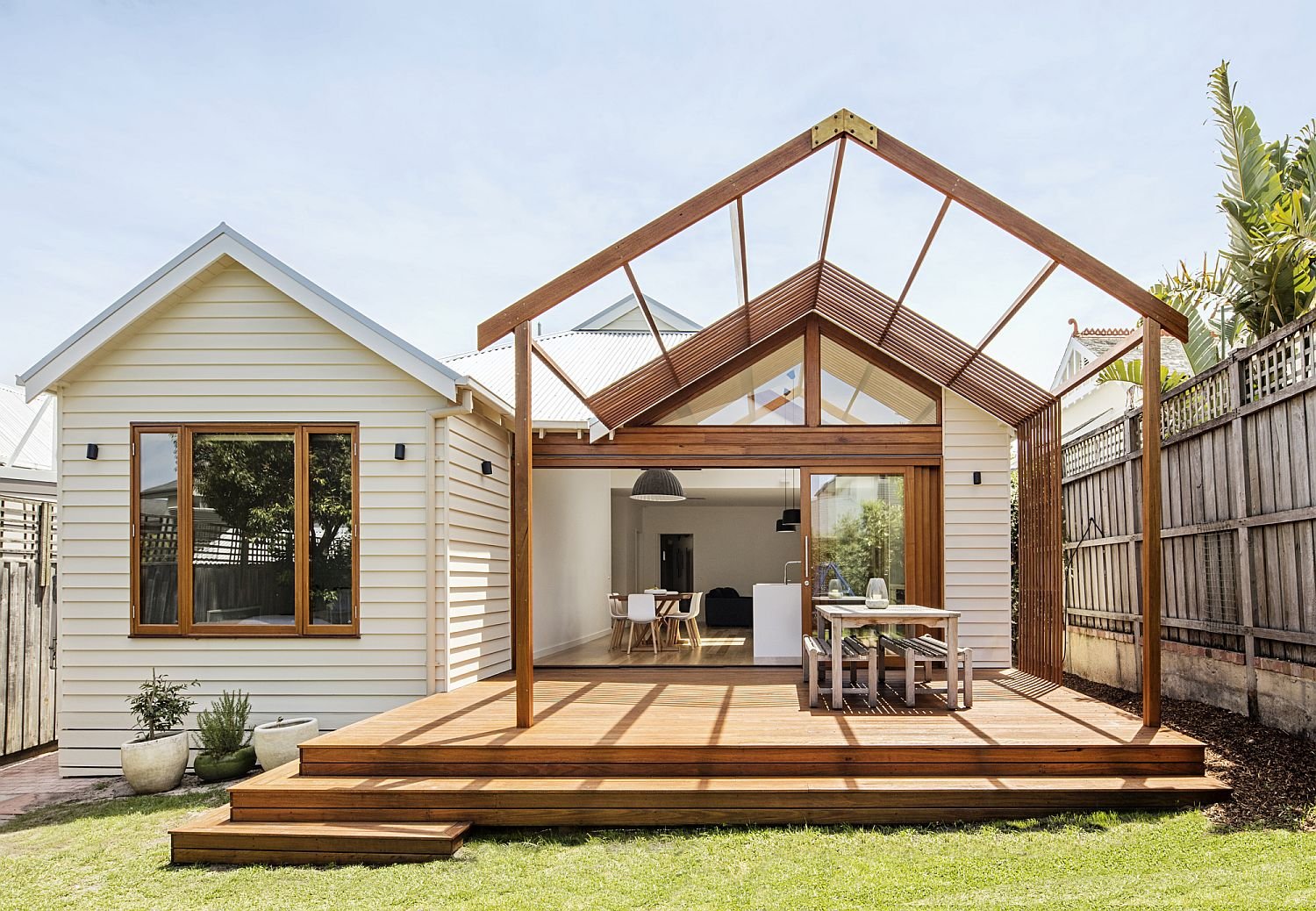
When indoor and outdoor spaces are visually and functionally connected, a home feels significantly larger than its actual interior footprint. This is what we call visual square footage.
A well-designed patio aligned with interior sightlines can:
- Extend living rooms beyond the glass
- Make kitchens feel larger through outdoor dining zones
- Turn rear yards into additional gathering spaces
- Create lifestyle flow instead of hard boundaries
A 3,000 sq. ft. home with strong indoor-outdoor connection can feel closer to 4,000 sq. ft. in daily use — without adding a single interior wall.
Outdoor Rooms Deliver High Lifestyle Impact
Outdoor living rooms are no longer optional upgrades — they’re expectations in many GTA markets, especially in Oakville, Vaughan, Burlington, Mississauga, and Toronto.
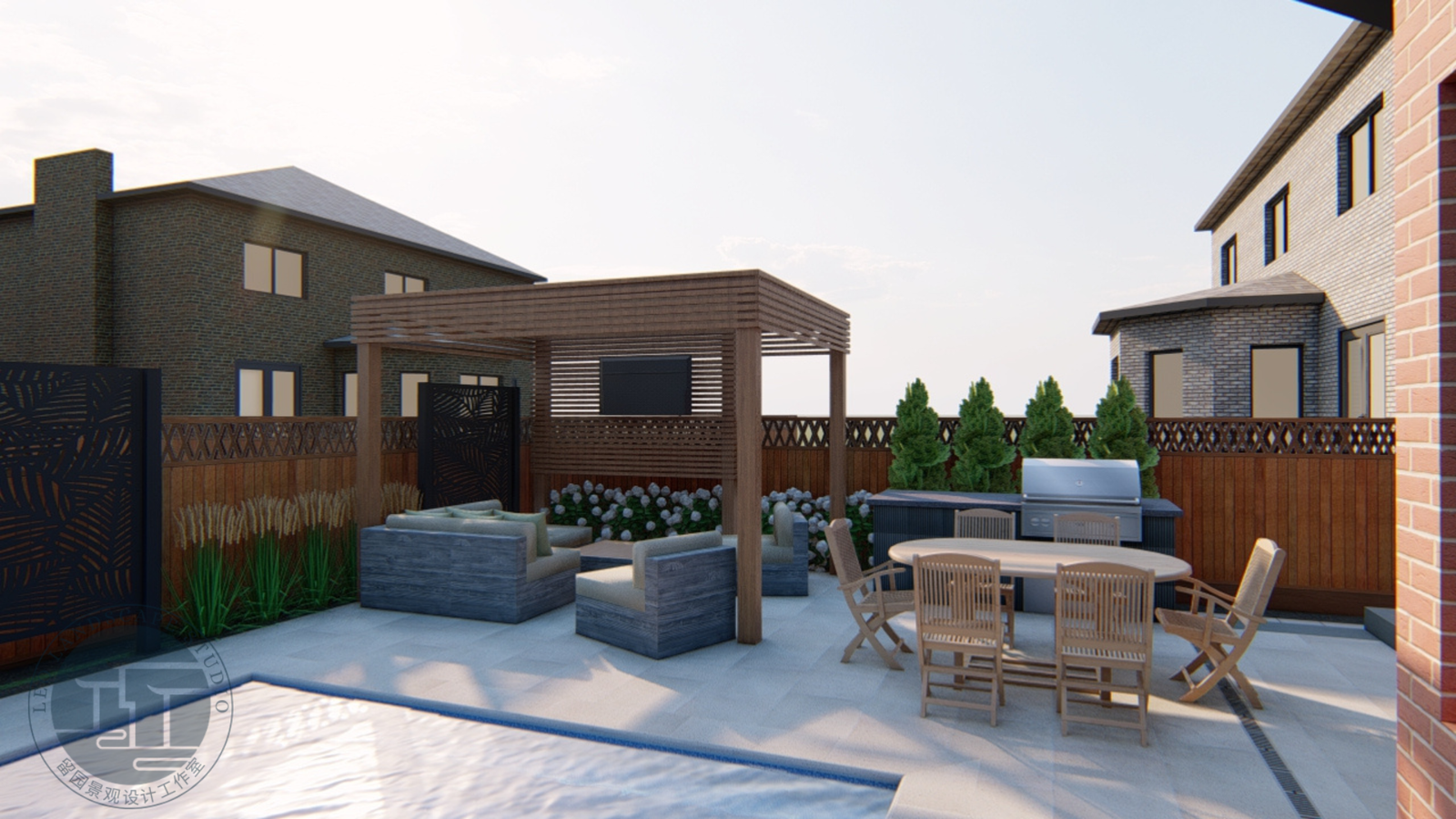
When designed properly, outdoor spaces can function as:
- Dining rooms
- Entertainment areas
- Lounges
- Secondary kitchens
- Family gathering zones
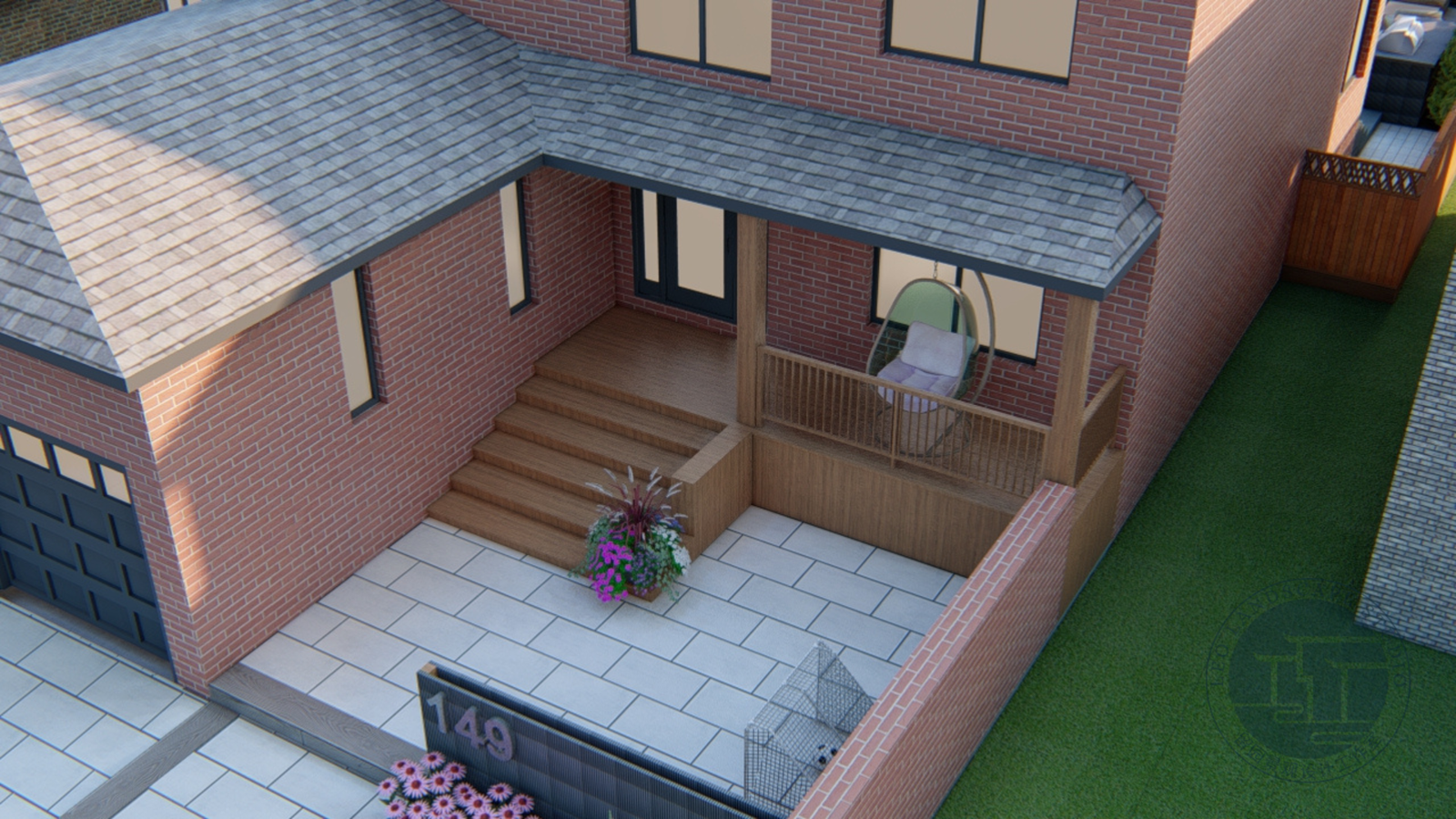
The key is intention, Unplanned patios feel like afterthoughts.
Designed outdoor rooms feel like extensions of the home.
High-Margin Add-Ons Builders Should Prioritize
From a construction and ROI standpoint, outdoor features often offer higher margins than interior changes.
Examples include:
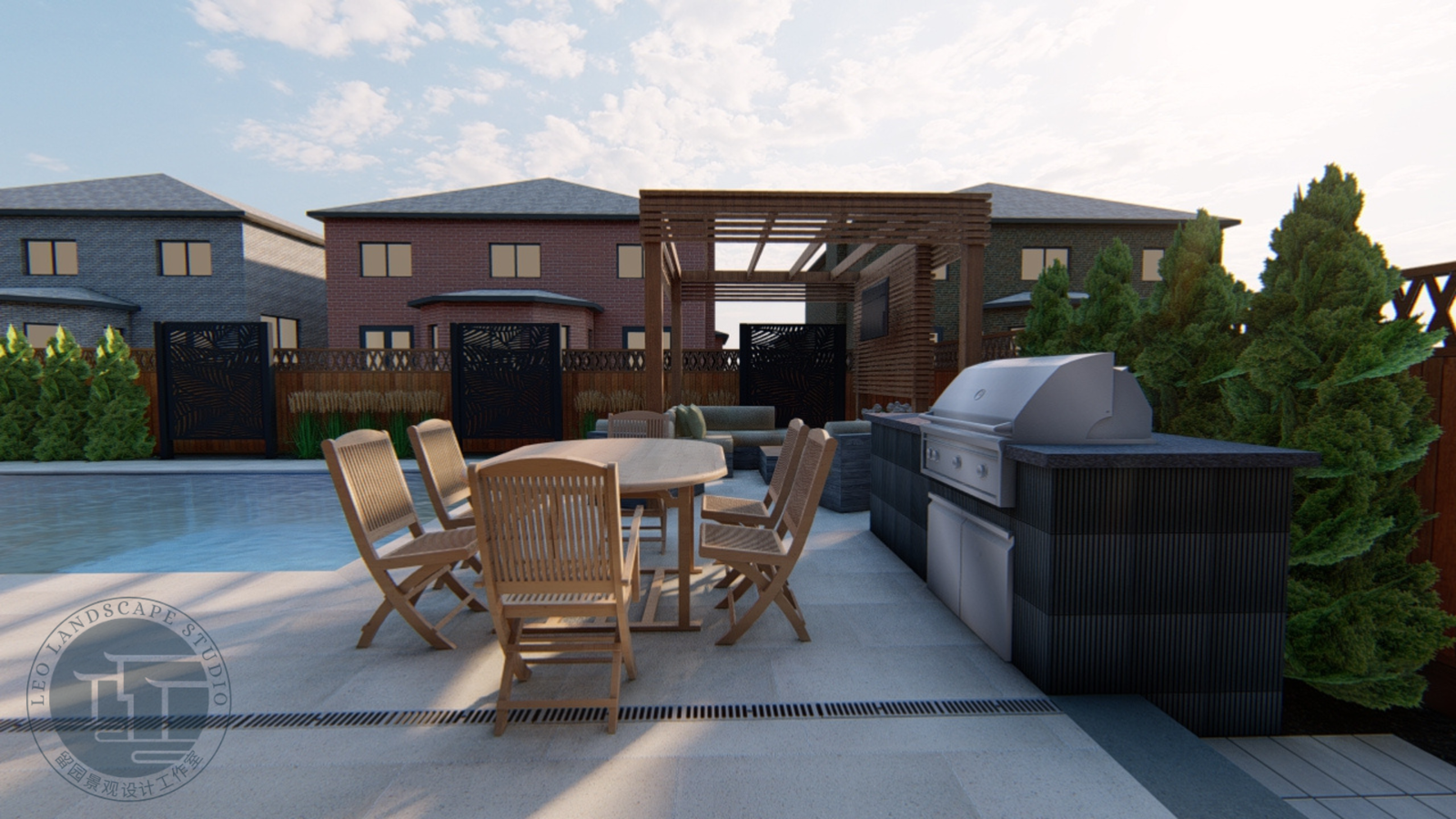
- Outdoor kitchens
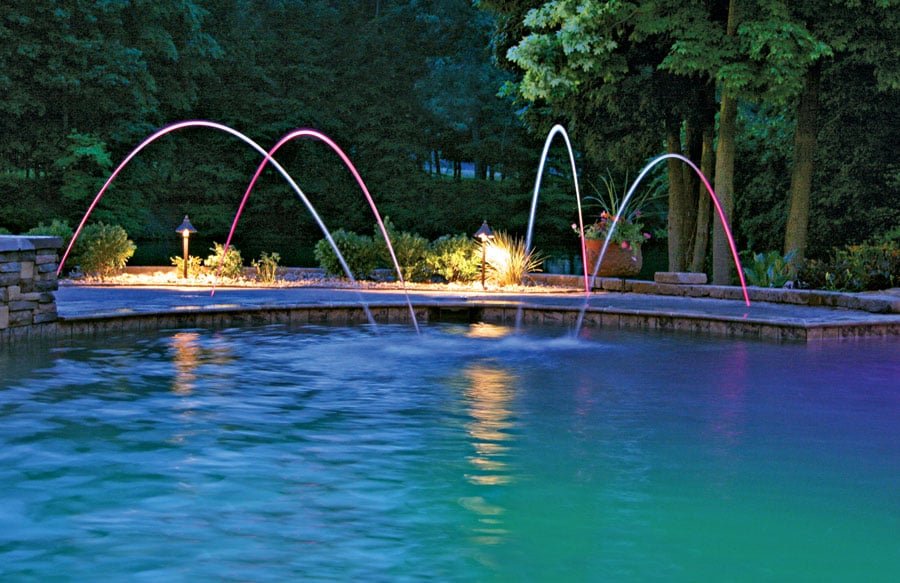
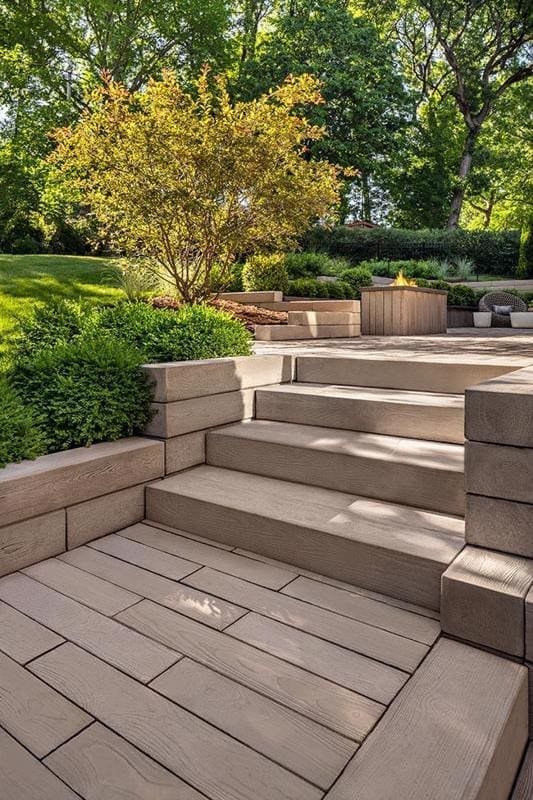
- Fire pits and fireplaces
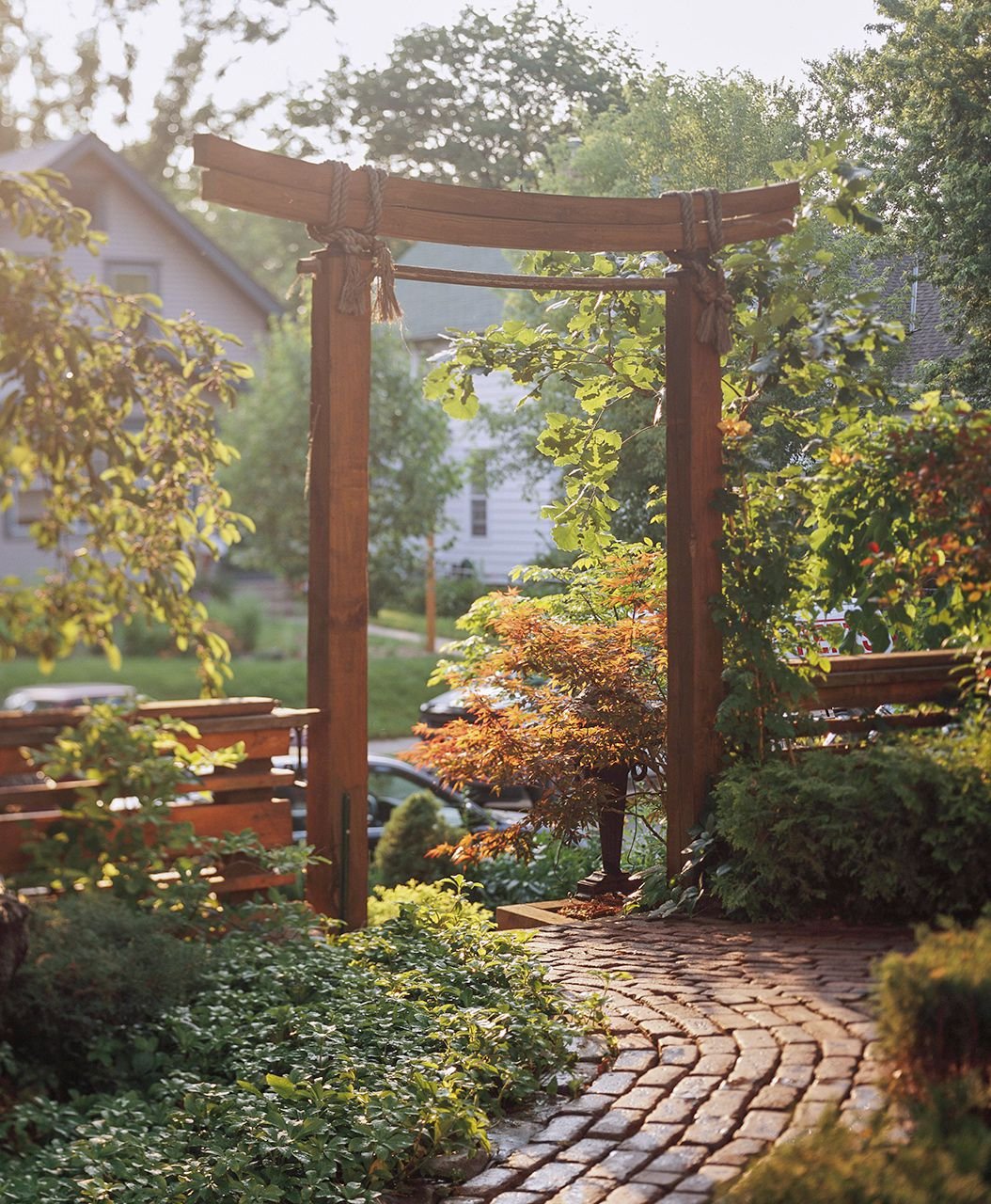
- Pergolas and covered seating
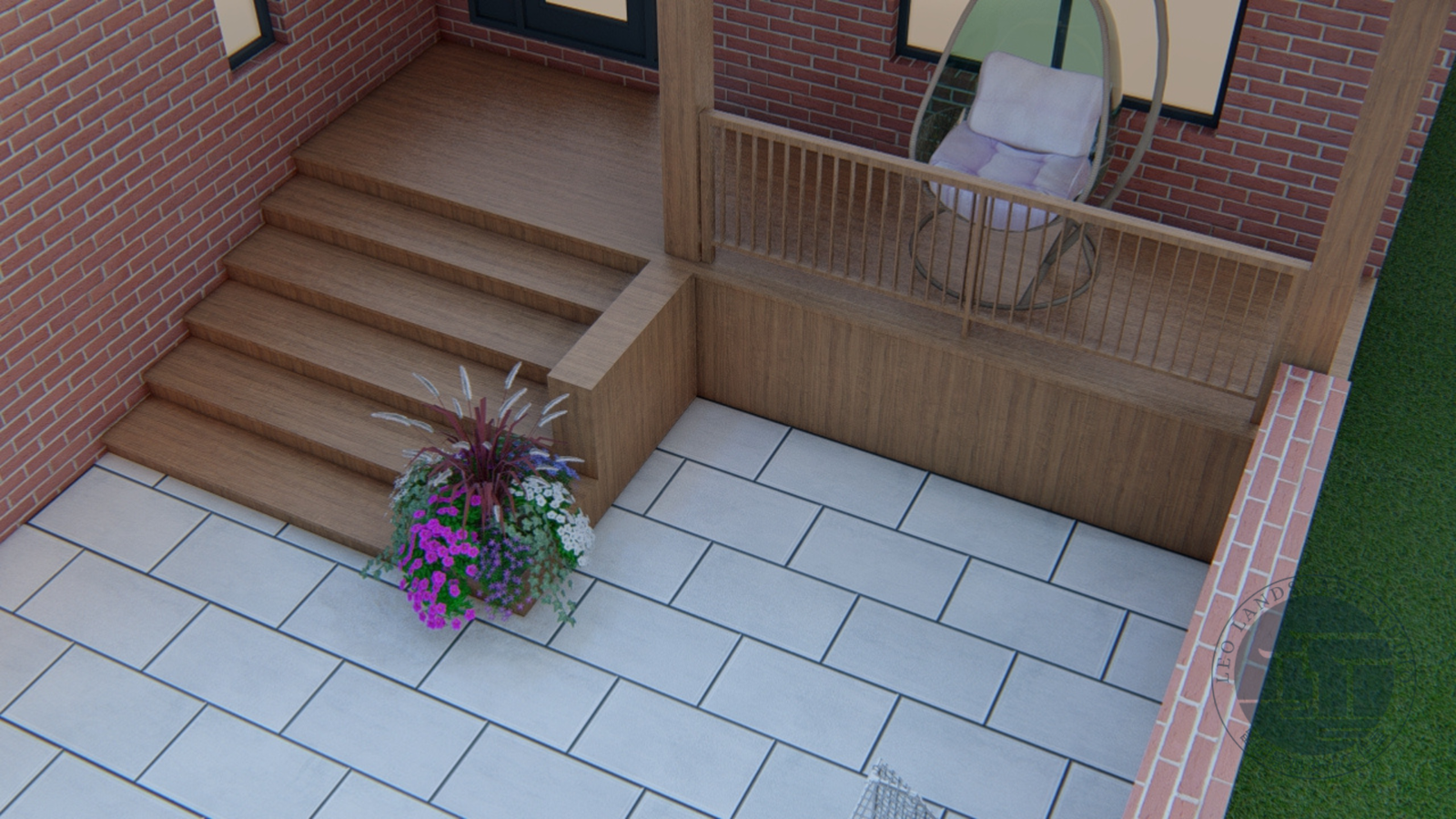
- Built-in seating and planters
- Lighting and privacy screens
These elements:
- Require less structural complexity
- Avoid interior code challenges
- Install faster
- Carry strong perceived value
Buyers are far more likely to justify pricing when they see usable, finished outdoor spaces rather than empty lawns.
Outdoor Space and Appraisal Value
While appraisers won’t count patios as interior square footage, functional outdoor spaces do influence valuation.
Well-designed decks, patios, and outdoor rooms:
- Improve overall property appeal
- Strengthen market comparables
- Reduce buyer objections
- Support higher list prices
A finished patio contributes far more to appraisal perception than a basic lawn — especially when it’s designed as a true extension of the home.
Why “Lawn” Is No Longer Enough
Large grass areas once symbolized luxury. Today, they signal missed opportunity.
Modern buyers want:
- Usable space
- Defined zones
- Low maintenance
- Lifestyle-ready environments
A yard designed only as lawn feels unfinished, a yard designed as living space feels intentional.
Design Is What Makes Outdoor Space Count
Simply installing hardscape doesn’t guarantee results.
Without professional design:
- Spaces lack proportion
- Circulation feels awkward
- Furniture doesn’t fit naturally
- Views aren’t framed properly
- Features compete instead of complementing
Landscape design ensures:
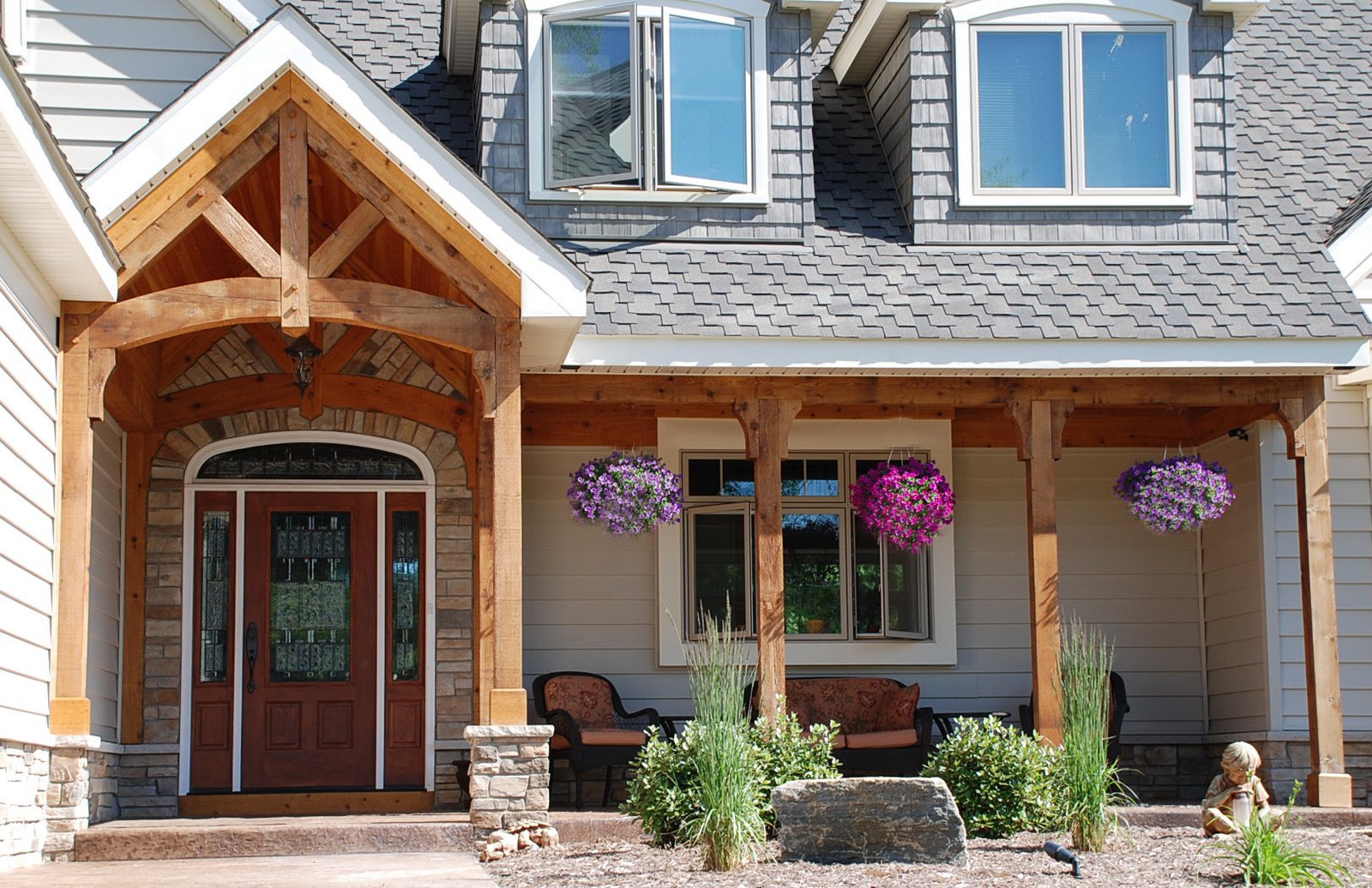
- Outdoor rooms align with interior layouts
- Sightlines are maximized
- Grading and drainage are correct
- Features enhance architecture instead of overpowering it
Design turns square footage into sellable space.
Final Takeaway: Build Smarter, Not Bigger
If your goal is to:
- Increase perceived home size
- Improve buyer experience
- Add lifestyle value
- Control construction costs
- Protect resale pricing
Then outdoor living space is one of the smartest investments you can make.
Square footage is expensive indoors.
Outside, it’s efficient, flexible, and powerful.
When designed properly, outdoor space doesn’t just fill a yard — it expands how a home lives, sells, and performs in the market.