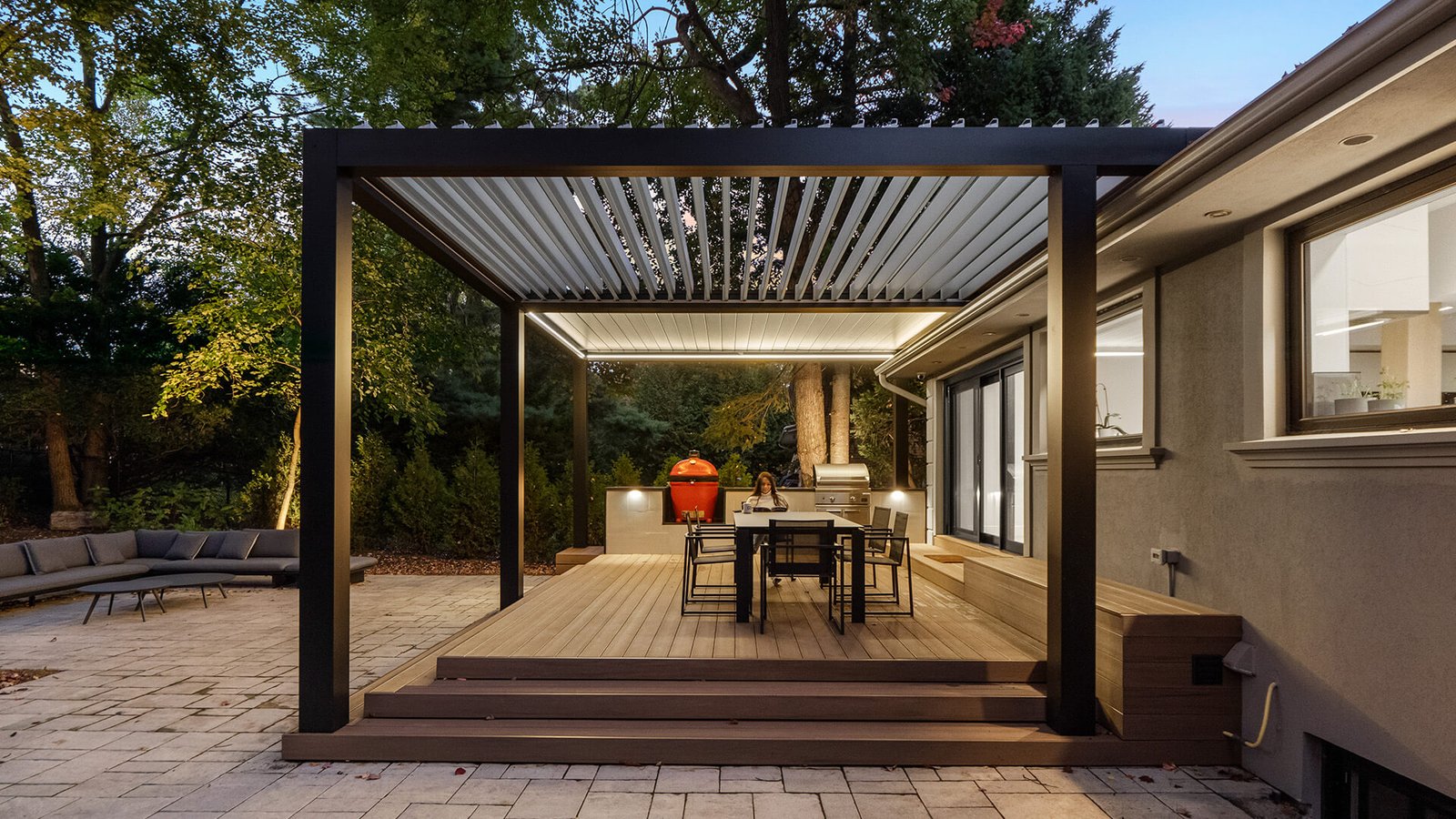
For years, backyards were treated as an afterthought — lawn, fence, maybe a patio if budget allowed. Today, that mindset has shifted completely. Homeowners across Toronto, Oakville, Mississauga, and the GTA are no longer asking how their backyard looks — they’re asking how it feels.
This shift marks the rise of the Backyard Wellness Movement: a design philosophy focused on mental restoration, physical balance, and emotional calm — all built directly into the landscape.
Wellness is no longer confined to gyms, spas, or retreats. It’s becoming a daily, lived experience — and the backyard is at the center of it.
Why Wellness Is Reshaping Landscape Design
Modern life is loud, fast, and digitally saturated. As work-from-home becomes permanent and schedules blur, homeowners are craving spaces that counteract stress rather than add to it.
Landscape design now plays a direct role in:
- Reducing daily stress
- Encouraging outdoor movement
- Supporting mental clarity
- Creating intentional moments of pause
A well-designed wellness landscape doesn’t just add beauty — it changes how the space is used.
What Defines a Wellness-Focused Backyard?
1. Spaces for Stillness, Not Just Activity
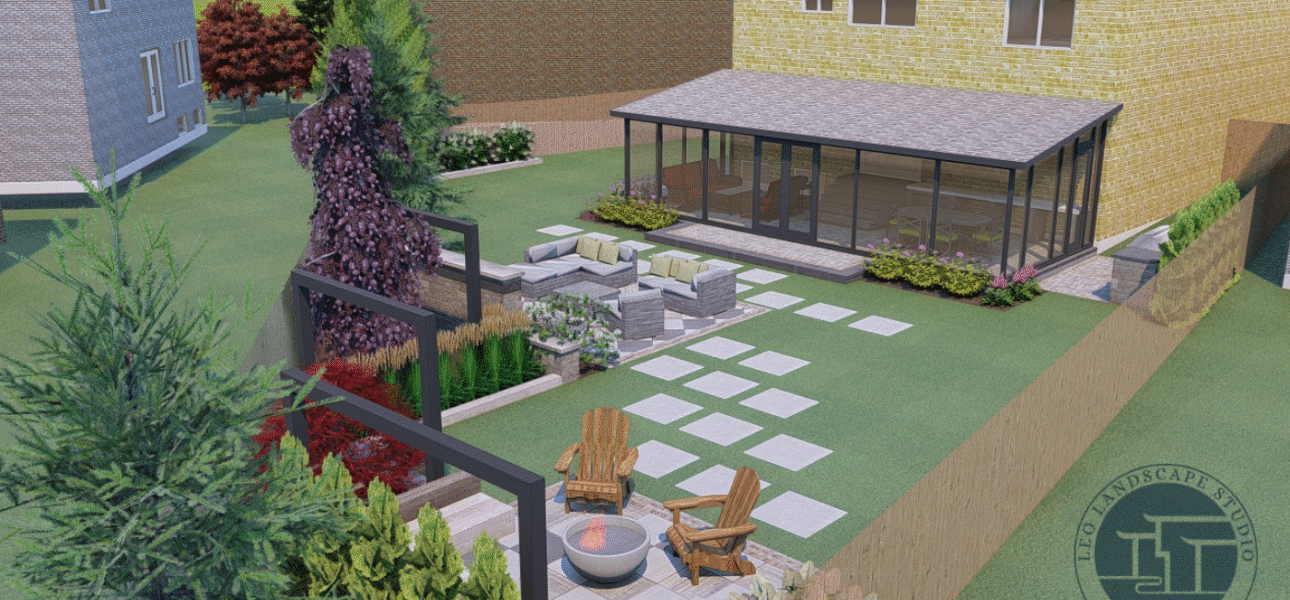
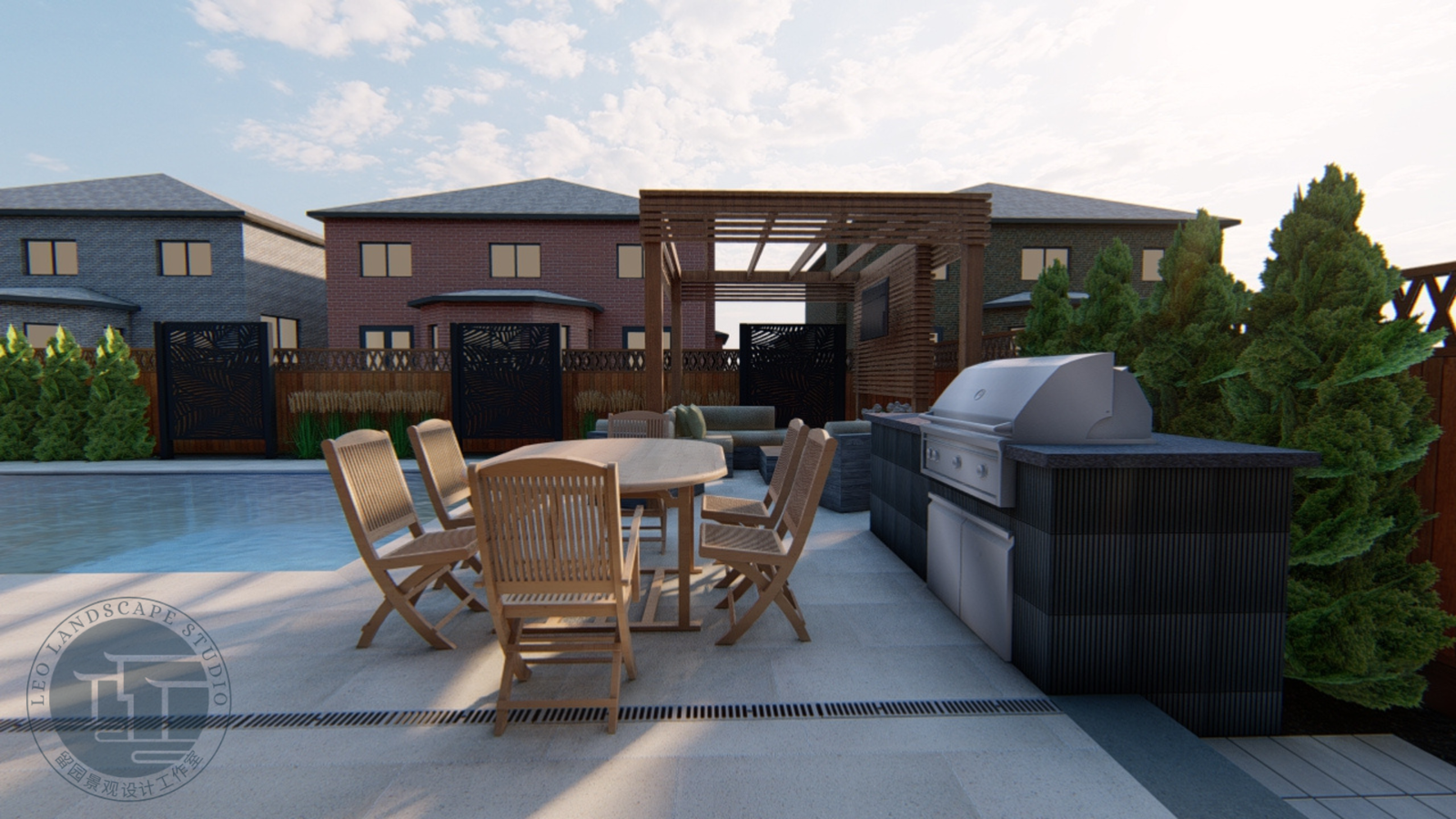
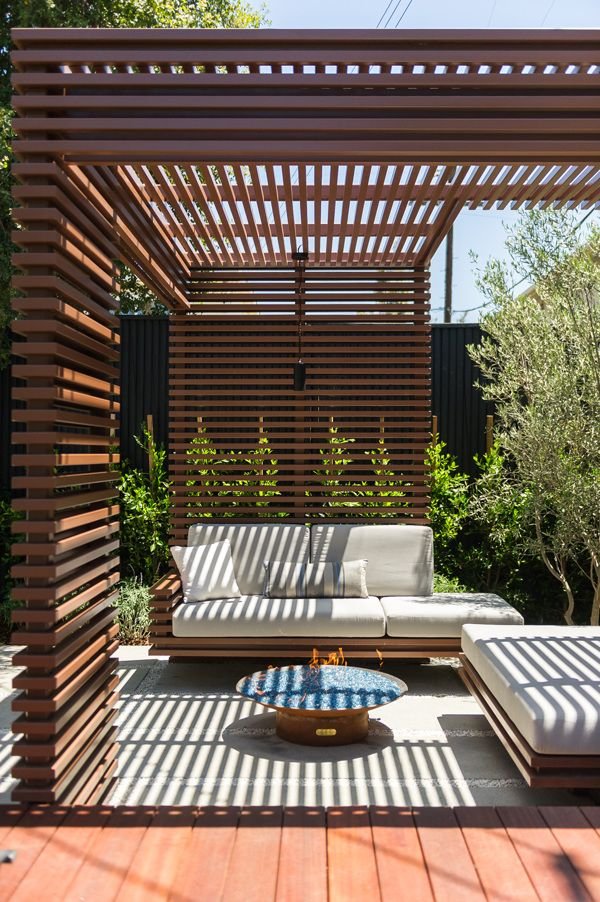
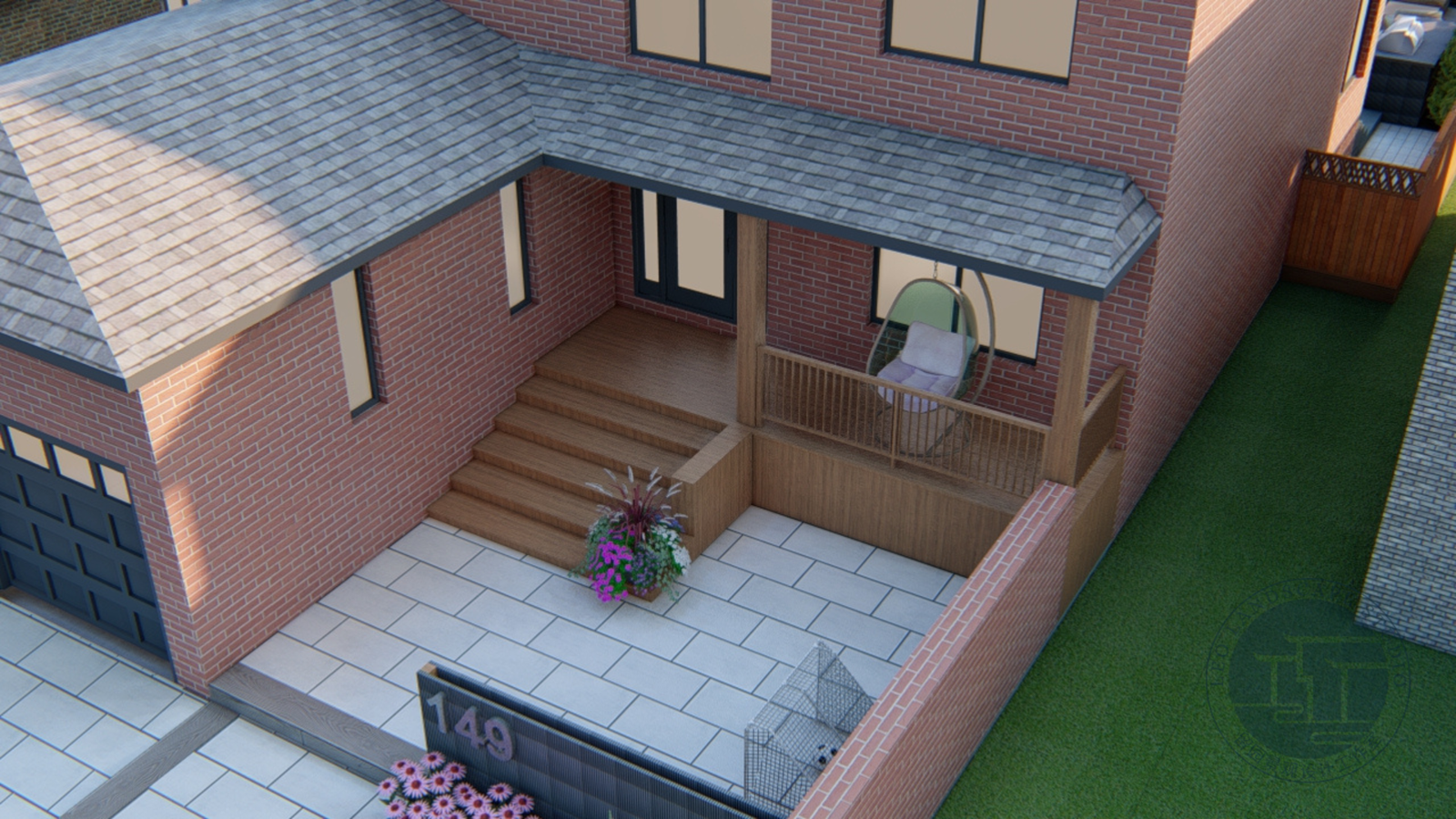
Traditional backyards prioritize hosting and entertaining. Wellness landscapes balance that energy by introducing quiet zones — shaded seating, garden corners, or private patios designed specifically for slowing down.
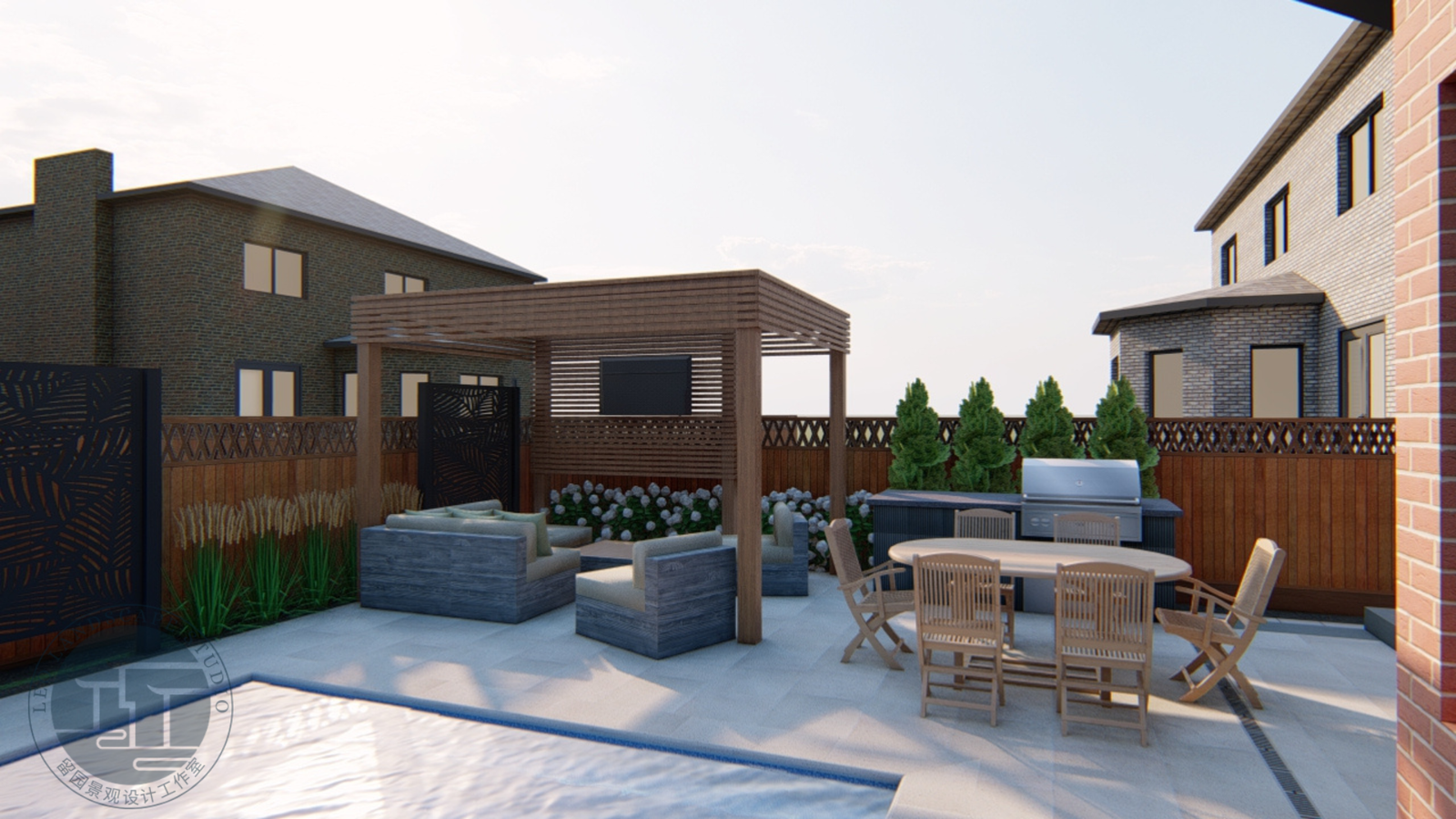
These spaces are intentionally separated from loud areas like pools or dining zones, allowing the backyard to support different emotional needs throughout the day.
2. Plant-Rich, Sensory Design
Wellness landscapes rely heavily on planting — not decoration, Layered greenery, soft textures, seasonal movement, and natural color palettes help regulate the nervous system. Plants filter noise, cool the environment, and create a visual rhythm that feels calming rather than overwhelming.
This is why empty lawns are disappearing — replaced by gardens that feel alive.
3. Water, Heat, and Cold as Design Elements
Features once considered “luxury extras” are now wellness staples:
- Cold plunge pools
- Outdoor showers
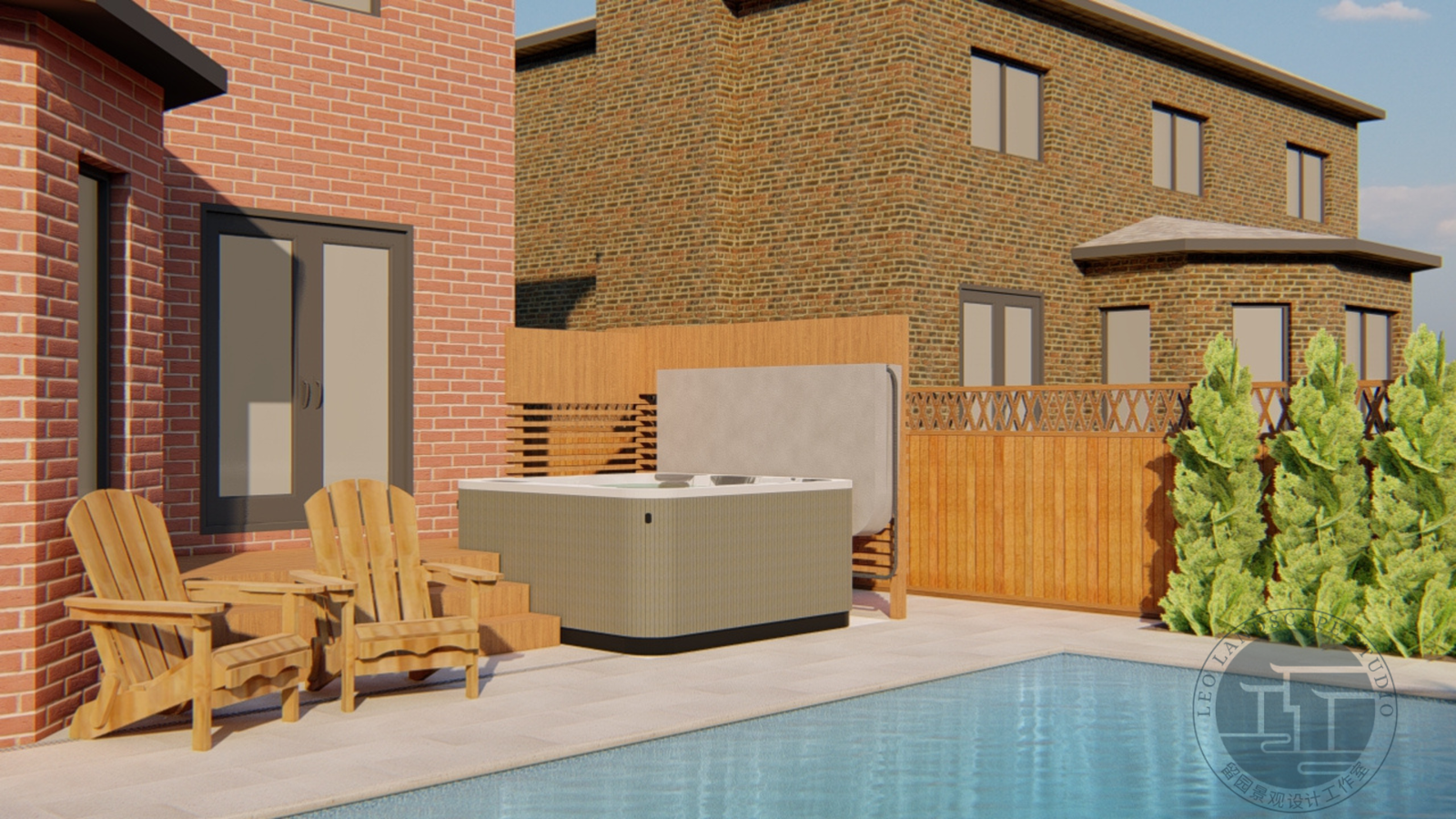
- Hot tubs and saunas
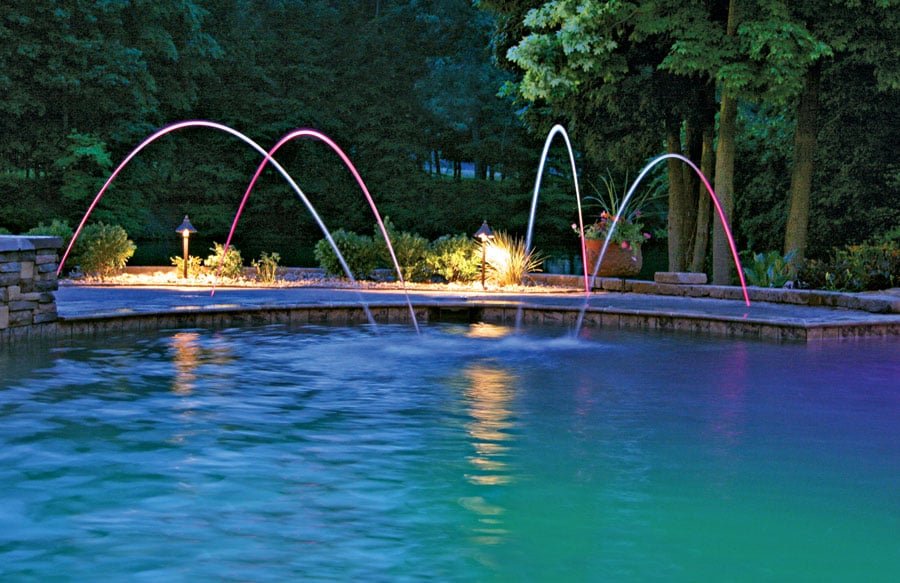
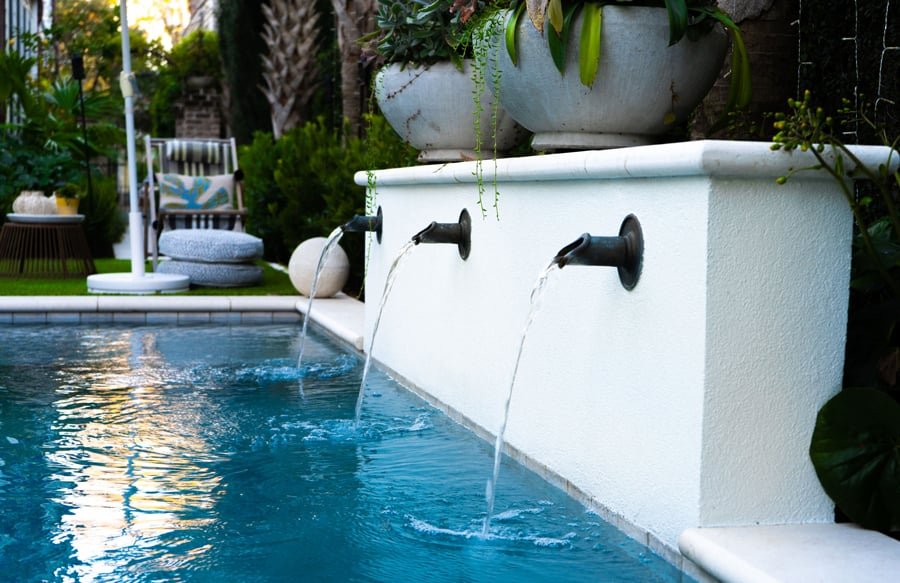
- Reflecting water features
When thoughtfully integrated into the landscape, these elements encourage daily rituals — not occasional use — turning the backyard into a personal wellness circuit.
4. Natural Materials That Ground the Space
Wellness design favors materials that feel authentic and tactile:
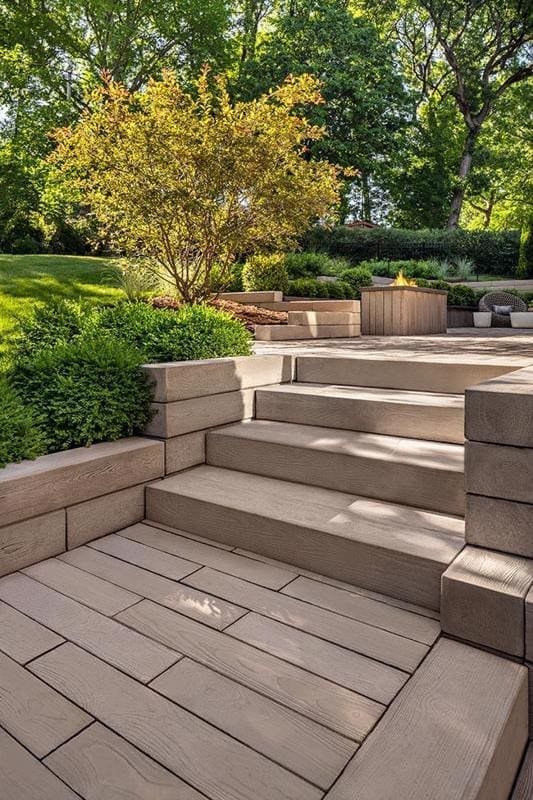
- Stone instead of polished concrete
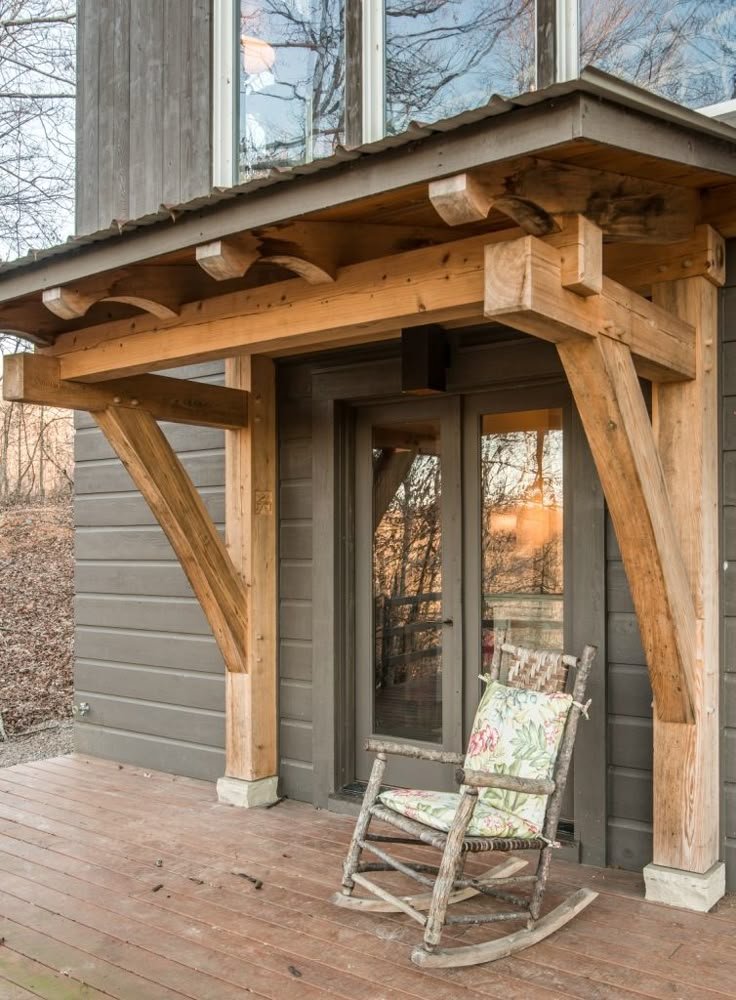
- Wood instead of plastic
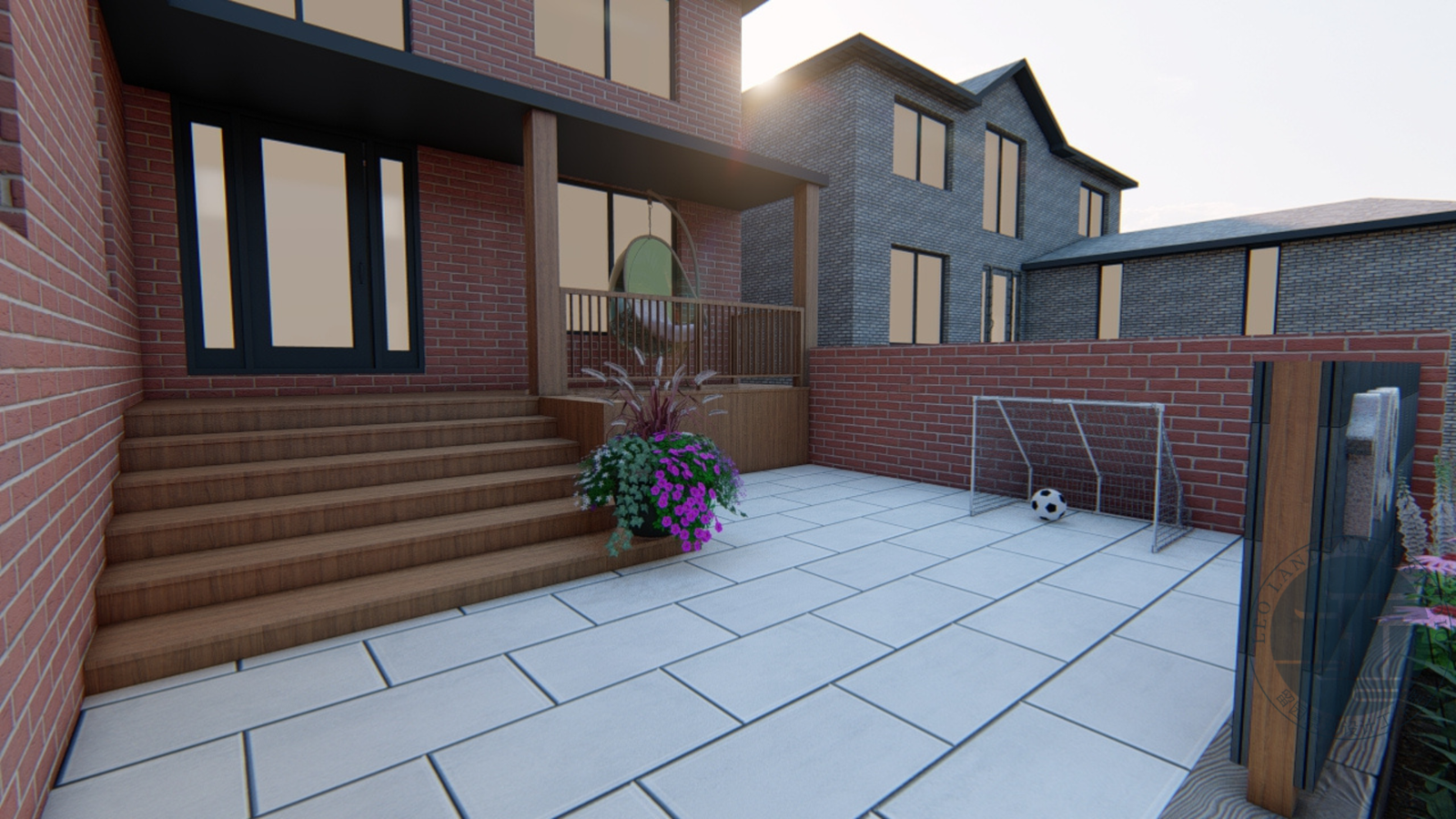
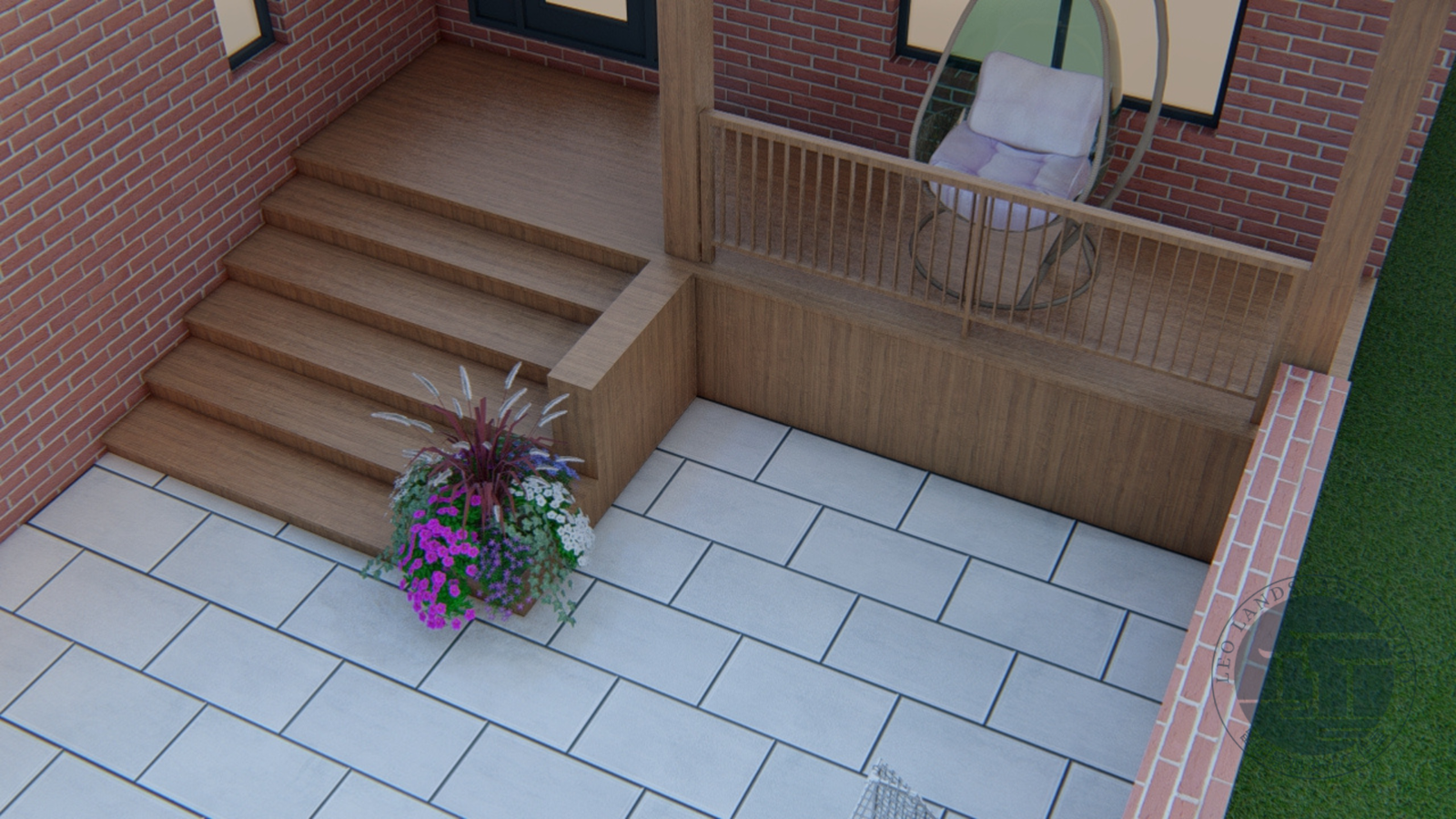
- Earth-tone pavers instead of high-contrast finishes
These materials visually soften the space and create a subconscious sense of comfort and permanence — key principles in therapeutic environments.
5. Privacy as a Wellness Feature
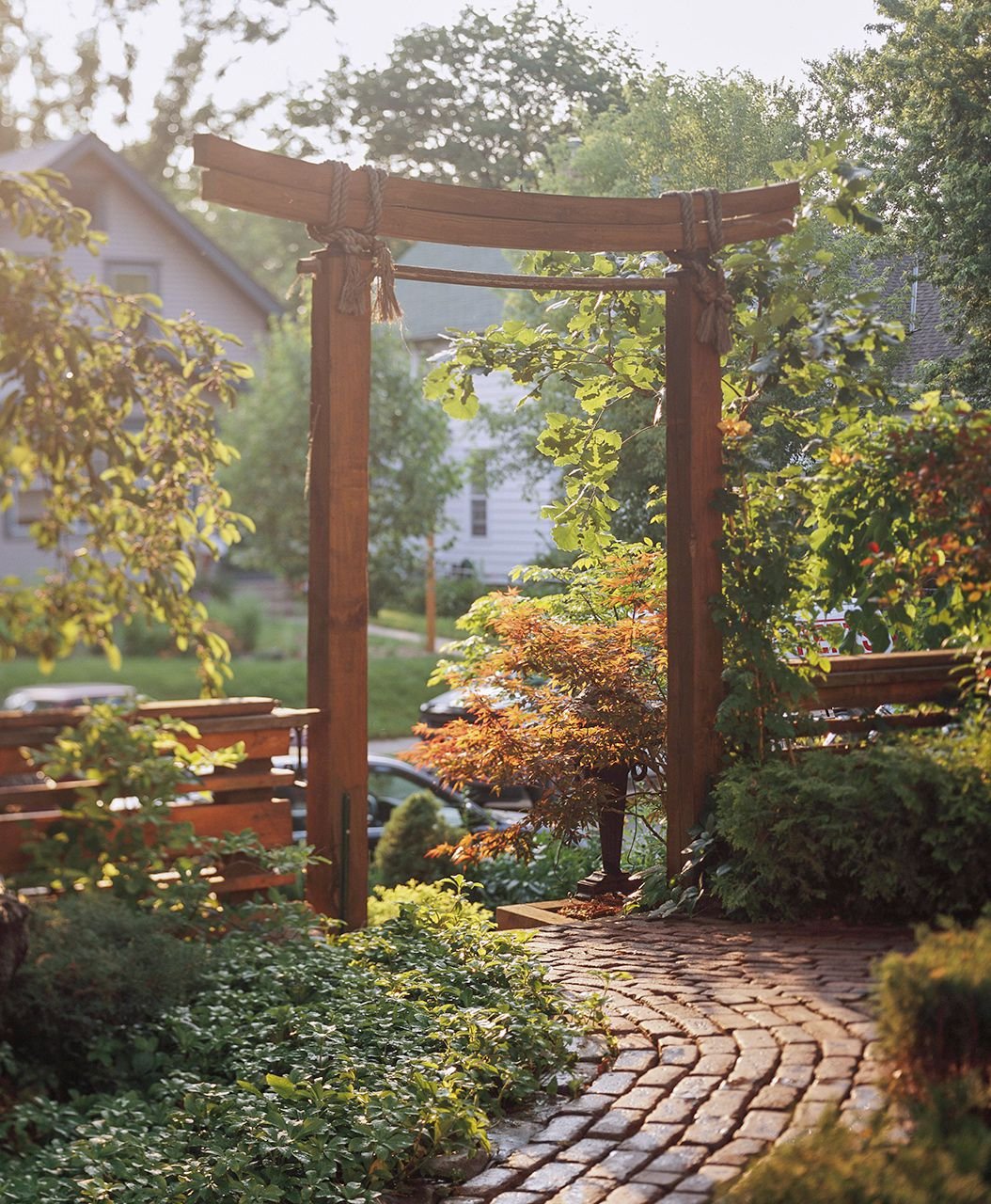
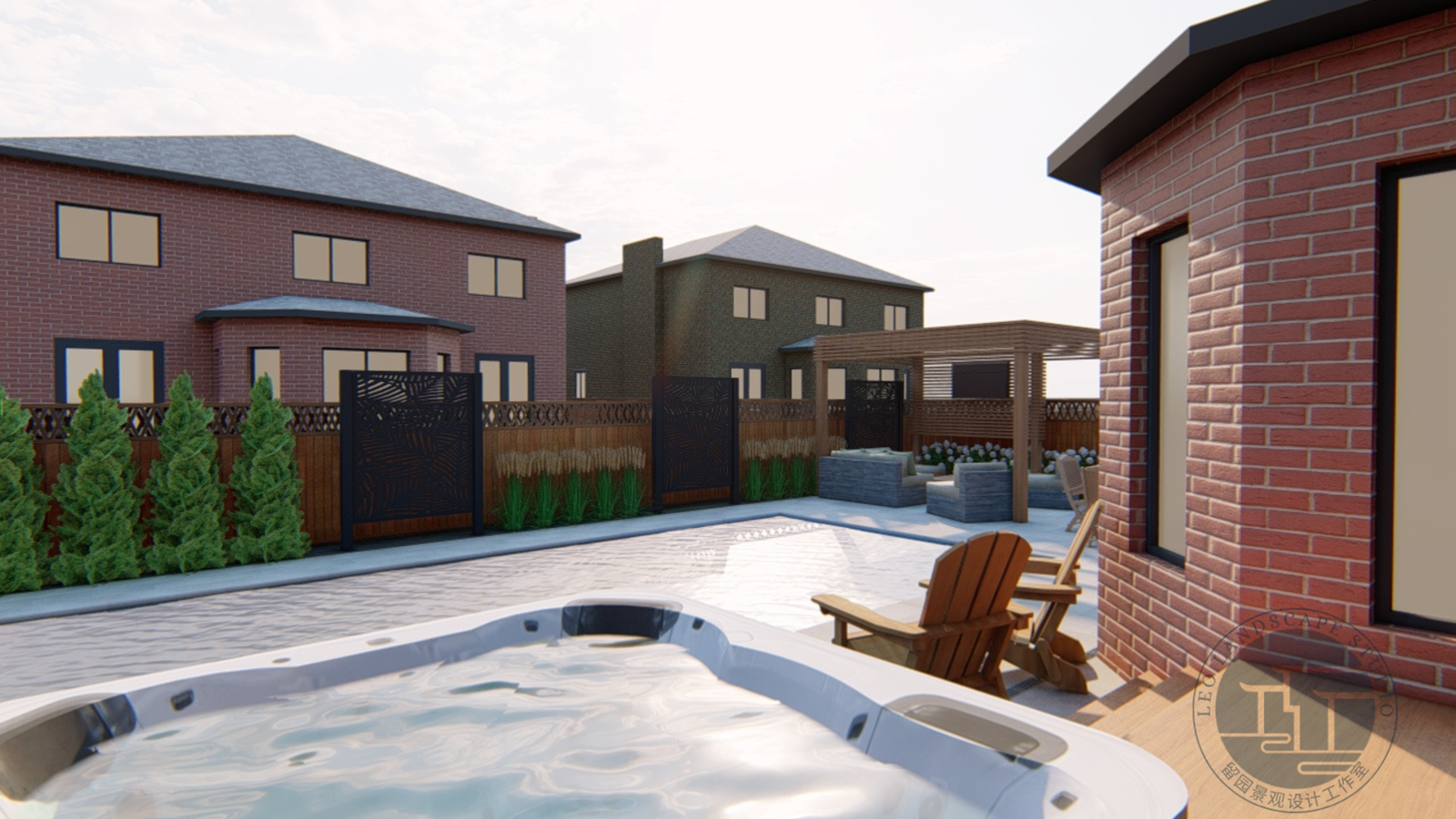
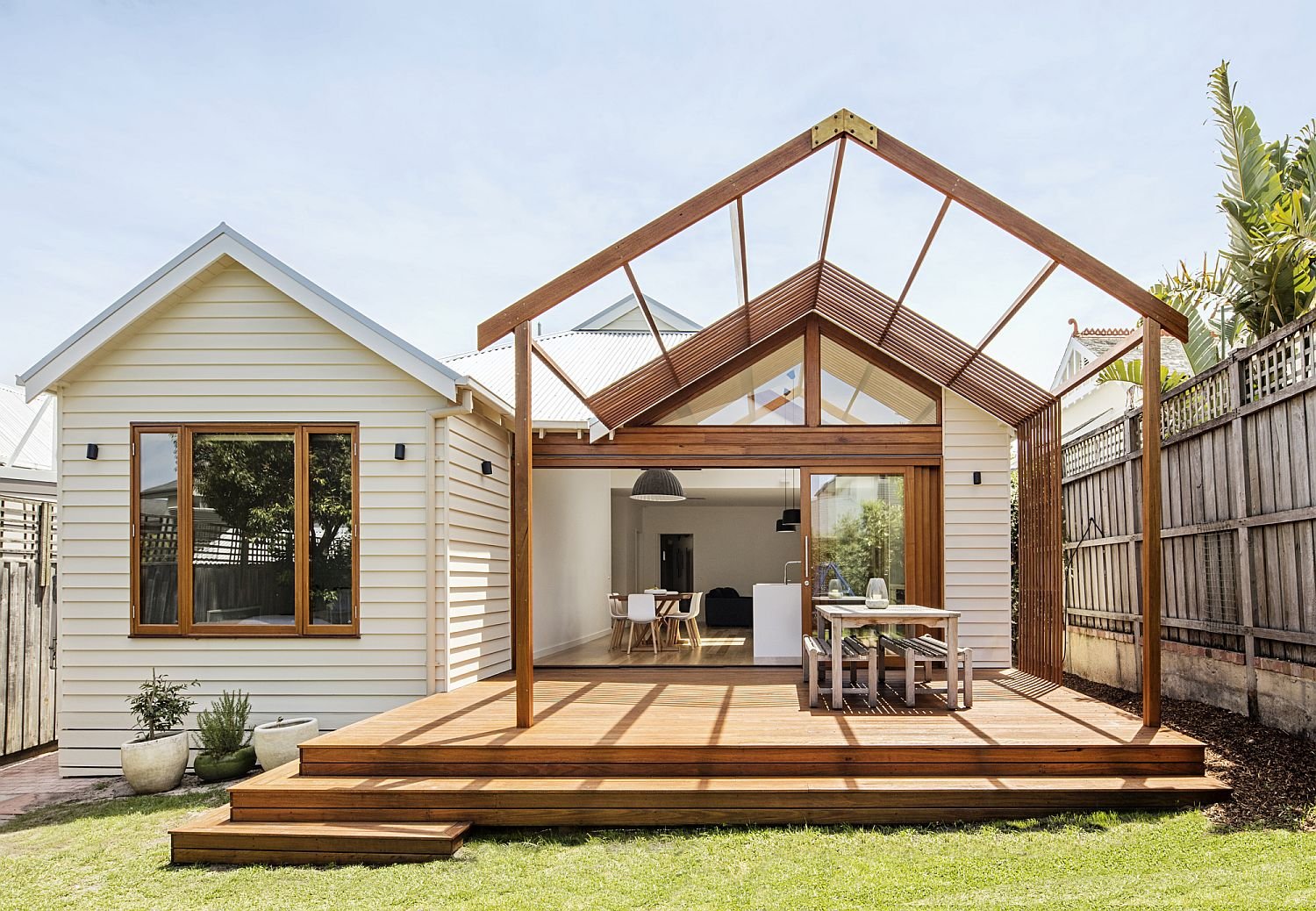
True relaxation requires privacy. Strategic planting, screening walls, pergolas, and layout planning allow homeowners to disconnect without feeling exposed.
Privacy isn’t about blocking the world out — it’s about creating a safe boundary where the mind can rest.
Why Wellness Design Requires Professional Planning
A wellness backyard isn’t created by adding features randomly. Without design, these spaces often feel cluttered, disconnected, or underused.
Professional landscape design ensures:
- Proper zoning between active and calm areas
- Smooth circulation that feels intuitive
- Balanced proportions that don’t overwhelm the space
- Long-term functionality as routines evolve
At Leo Landscape Studio, we design wellness landscapes the same way architects design homes — with intention, flow, and purpose.
Wellness Is the Future of Outdoor Living
The Backyard Wellness Movement isn’t a trend that fades — it’s a response to how people now live.
As homeowners continue to invest in their health, time, and mental well-being, landscapes that heal will outperform landscapes that simply impress.
A well-designed backyard is no longer just an extension of the home — it’s a daily retreat, a reset button, and a form of self-care built into the property itself.