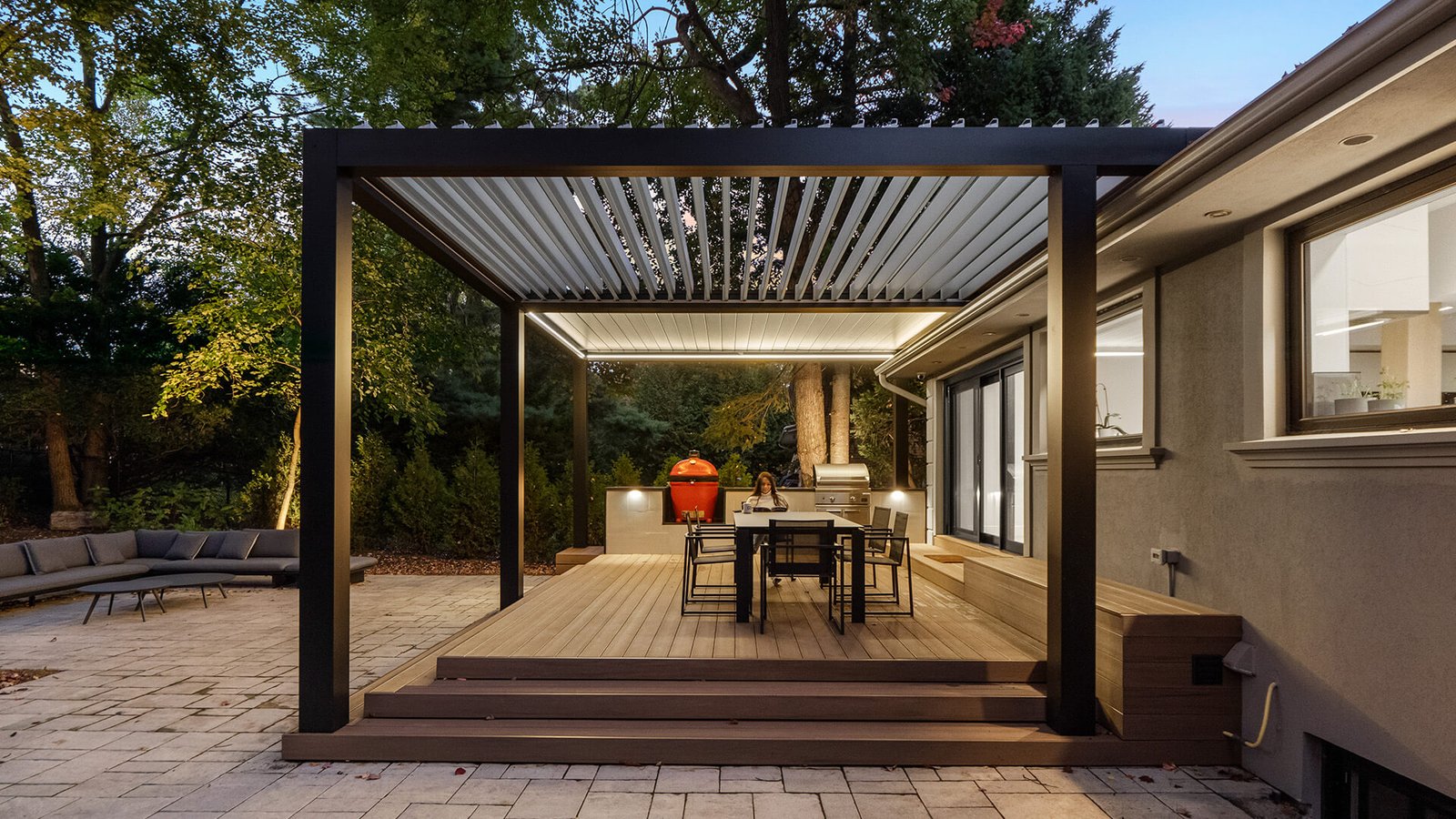
Outdoor Master Planning vs Phased Landscaping: What GTA Homeowners Should Know
For homeowners across Oakville, Toronto, Mississauga, Burlington, and the Greater Toronto Area, planning a landscape project often begins with a simple question:
Should everything be done at once, or should the project be completed in phases?
At first glance, phased landscaping may seem more practical. It allows homeowners to spread costs over time and make decisions gradually. However, without a comprehensive master plan guiding those phases, the result is often a disjointed outdoor space, repeated work, and higher long-term costs.
Understanding the difference between outdoor master planning and phased landscaping is essential before beginning any landscape transformation.
What Is Outdoor Master Planning?
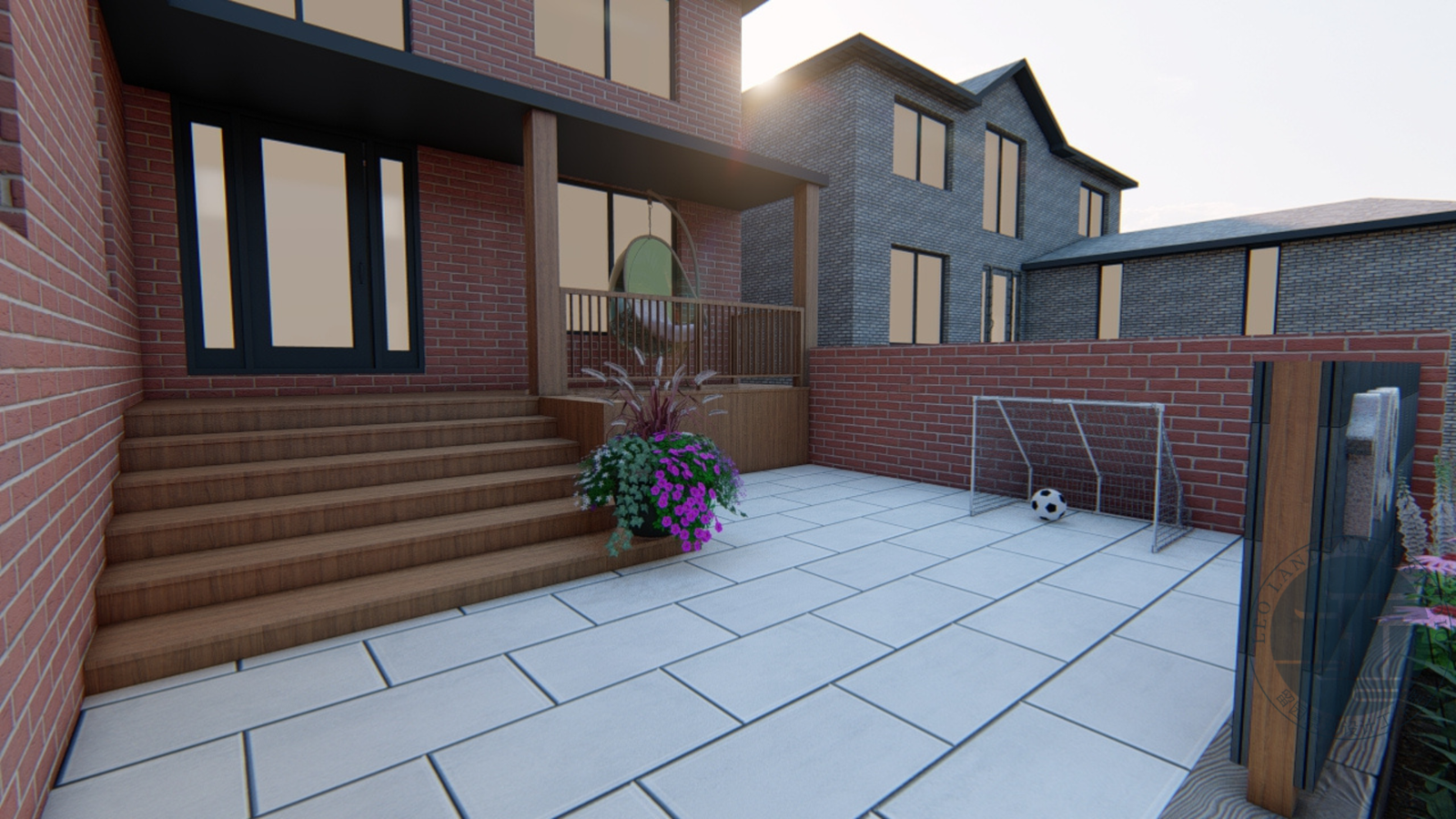
Outdoor master planning is a comprehensive design process that defines the entire landscape before any construction begins.
It includes:
- Full property layout and spatial organization
- Grading and drainage planning
- Placement of outdoor rooms and functional zones
- Material selection and transitions
- Long-term planting strategy
This approach creates a clear roadmap for the entire project, even if construction is completed in stages.
What Is Phased Landscaping?
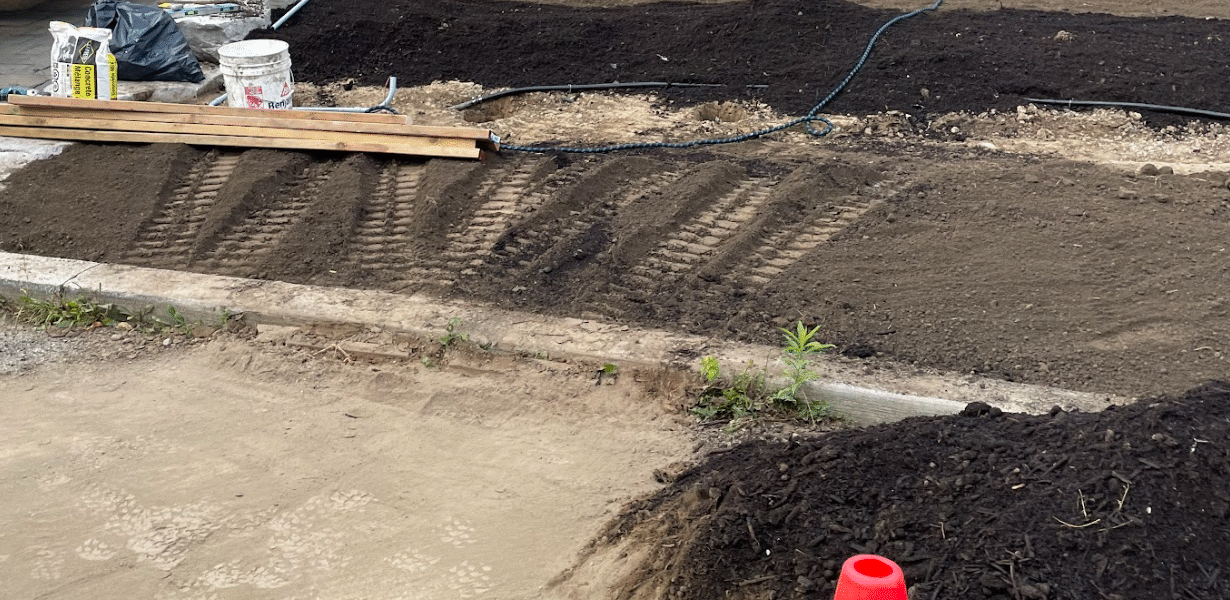
Phased landscaping refers to building the outdoor space in sections over time.
For example:
- Year 1: patio and basic grading
- Year 2: planting and lawn installation
- Year 3: lighting and additional features
Phasing itself is not a problem. The issue arises when phases are executed without an overarching design plan.
Without a master plan, each phase is treated as a separate project rather than part of a cohesive whole.
Why Master Planning Matters — Even When Building in Phases
Many GTA homeowners choose to phase their projects for budget or timing reasons. The most effective approach is to combine both strategies:
Design everything upfront, build in phases strategically.
This ensures:
- All elements align with a single vision
- Infrastructure is installed correctly from the start
- Future phases integrate seamlessly
Without this planning, common issues include:
- Rebuilding areas that were already completed
- Poor drainage due to incomplete grading strategy
- Misaligned walkways, patios, and planting zones
- Inconsistent material choices
The Hidden Costs of Phasing Without a Plan
Phased landscaping without a master design often appears more affordable initially, but it can lead to higher overall costs.
Typical issues include:
- Rework and demolition of previously installed features
- Additional labour for adjusting layouts
- Inefficient material usage
- Extended project timelines
A well-structured master plan reduces these risks and ensures each phase contributes to the final vision.
Designing for Long-Term Flexibility
One of the advantages of master planning is that it allows homeowners to prioritize certain areas while keeping the full design intact.
For example:
- Core structural elements can be installed first
- Planting can be phased based on seasonal timing
- Lighting and finishing details can be added later
This approach provides flexibility without compromising design integrity.
How This Applies to GTA Homes
In markets like Oakville, North York, and Toronto, outdoor space is a significant component of property value.
A cohesive landscape design enhances:
- Curb appeal
- Usability of the property
- Long-term resale value
Master planning ensures that even phased projects maintain a high level of refinement and consistency.
Build Once, Build Correctly
The most successful landscape projects are not defined by how quickly they are completed, but by how well they are planned.
At Leo Landscape Studio, we specialize in creating contractor-ready master plans that allow homeowners to build their outdoor spaces with clarity, whether all at once or over time.
If you are planning a landscape project, starting with a comprehensive design ensures every phase contributes to a cohesive and lasting result.