How Thoughtful Landscape Design Creates Calm, Balance, and Everyday Wellness
Modern homeowners are no longer viewing their backyards as simple outdoor spaces. Across Oakville, Mississauga, Burlington, Toronto, and North York, landscape design is increasingly being approached as an extension of lifestyle and wellbeing. A well-designed landscape can reduce stress, improve daily routines, and create a sense of emotional balance that directly enhances quality of life.
This shift reflects a broader cultural movement. As cities grow denser and daily life becomes more demanding, homeowners are seeking environments that provide psychological comfort. The backyard is becoming a personal retreat, designed not just for entertaining, but for restoration.
The Psychology Behind Outdoor Wellness Spaces
Research consistently shows that exposure to nature reduces anxiety, improves mood, and enhances cognitive performance. Landscape design allows homeowners to bring these benefits directly into their everyday environment. Through strategic spatial planning, planting composition, and material selection, outdoor spaces can be transformed into calming sanctuaries that support mental health.
Unlike traditional landscaping focused purely on aesthetics, wellness-driven landscape design prioritizes sensory experience. Texture, movement, light, sound, and spatial flow all play a role in shaping how a space makes you feel.
Creating Zones for Emotional Balance
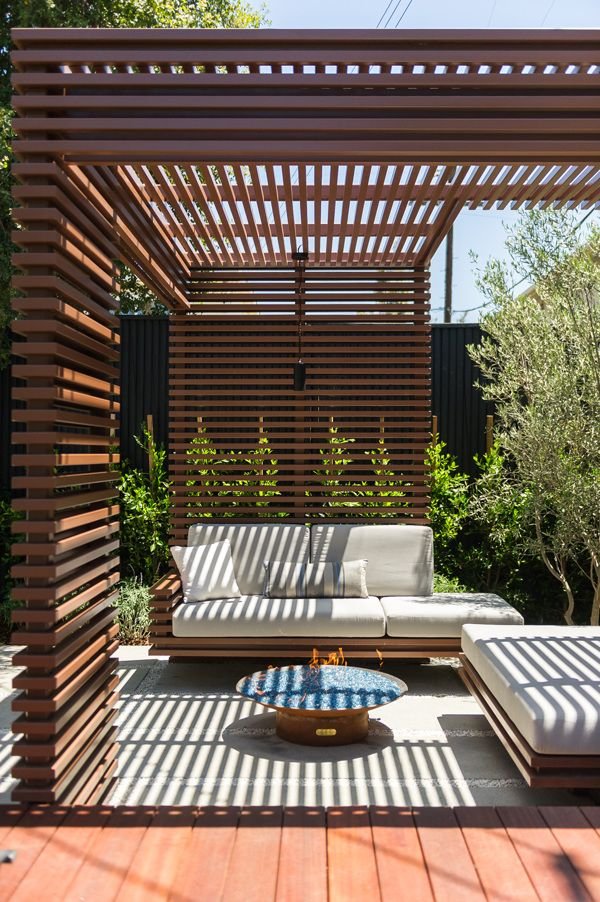
One of the most effective ways to improve mental wellbeing through landscape design is the creation of intentional outdoor zones. Instead of a single open lawn, professionally designed backyards incorporate layered functions that support relaxation and daily rituals.
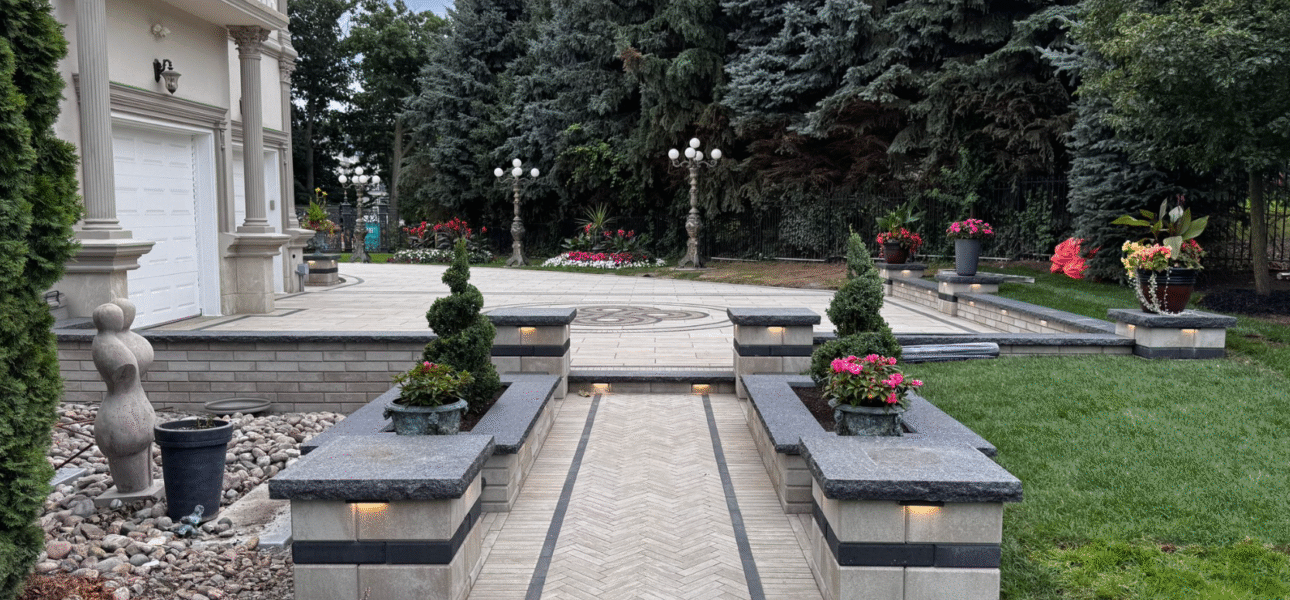
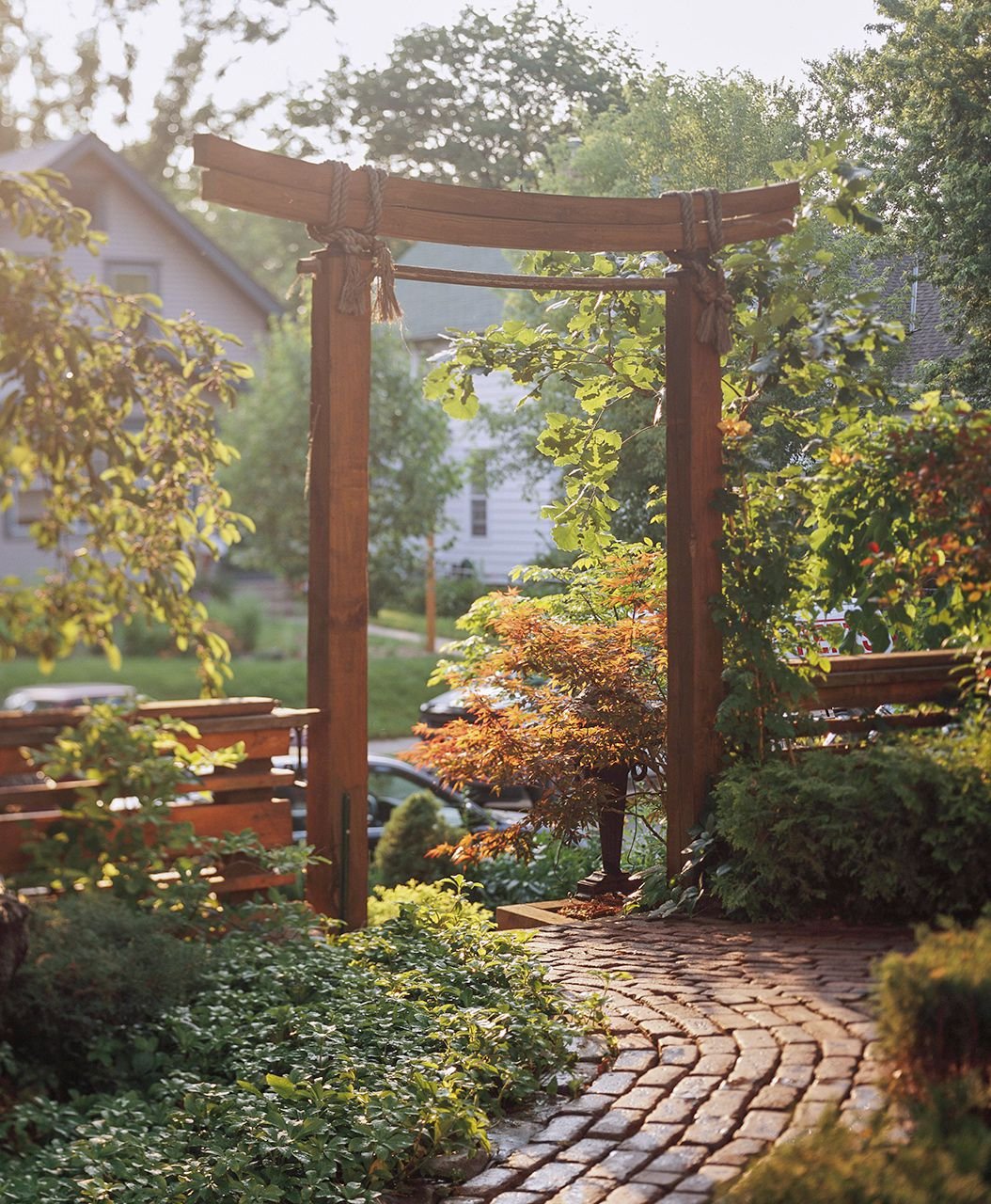
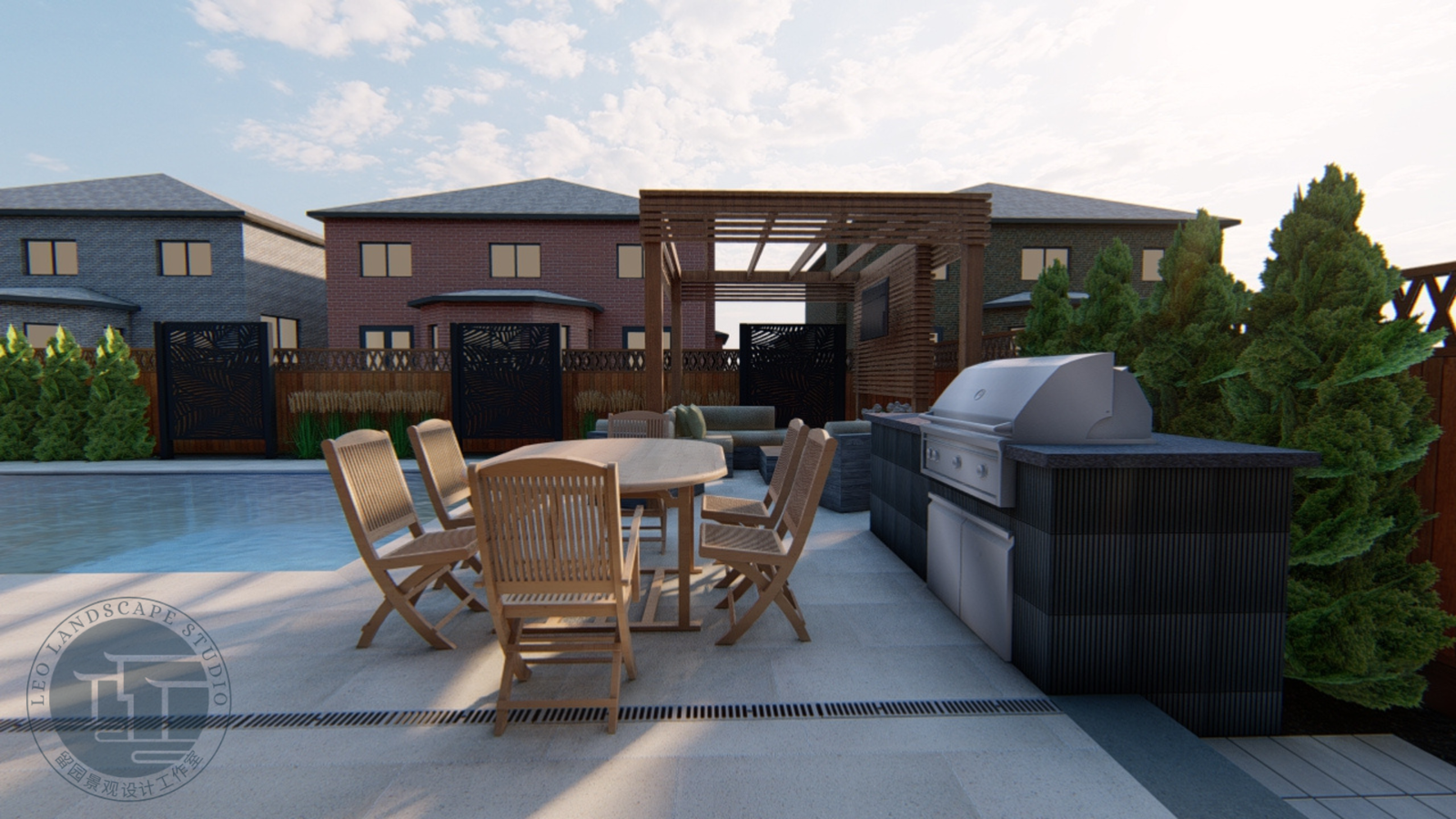
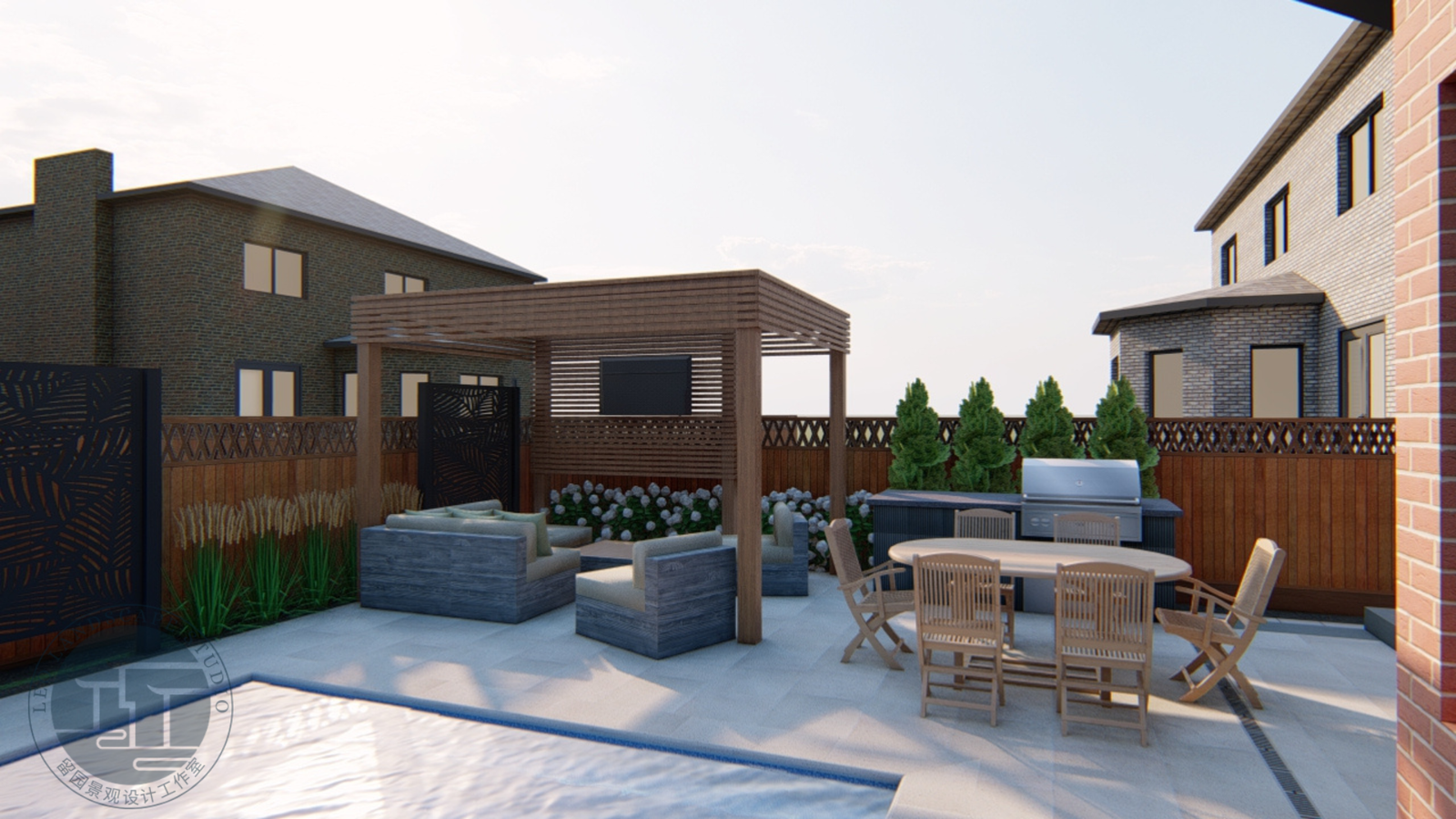
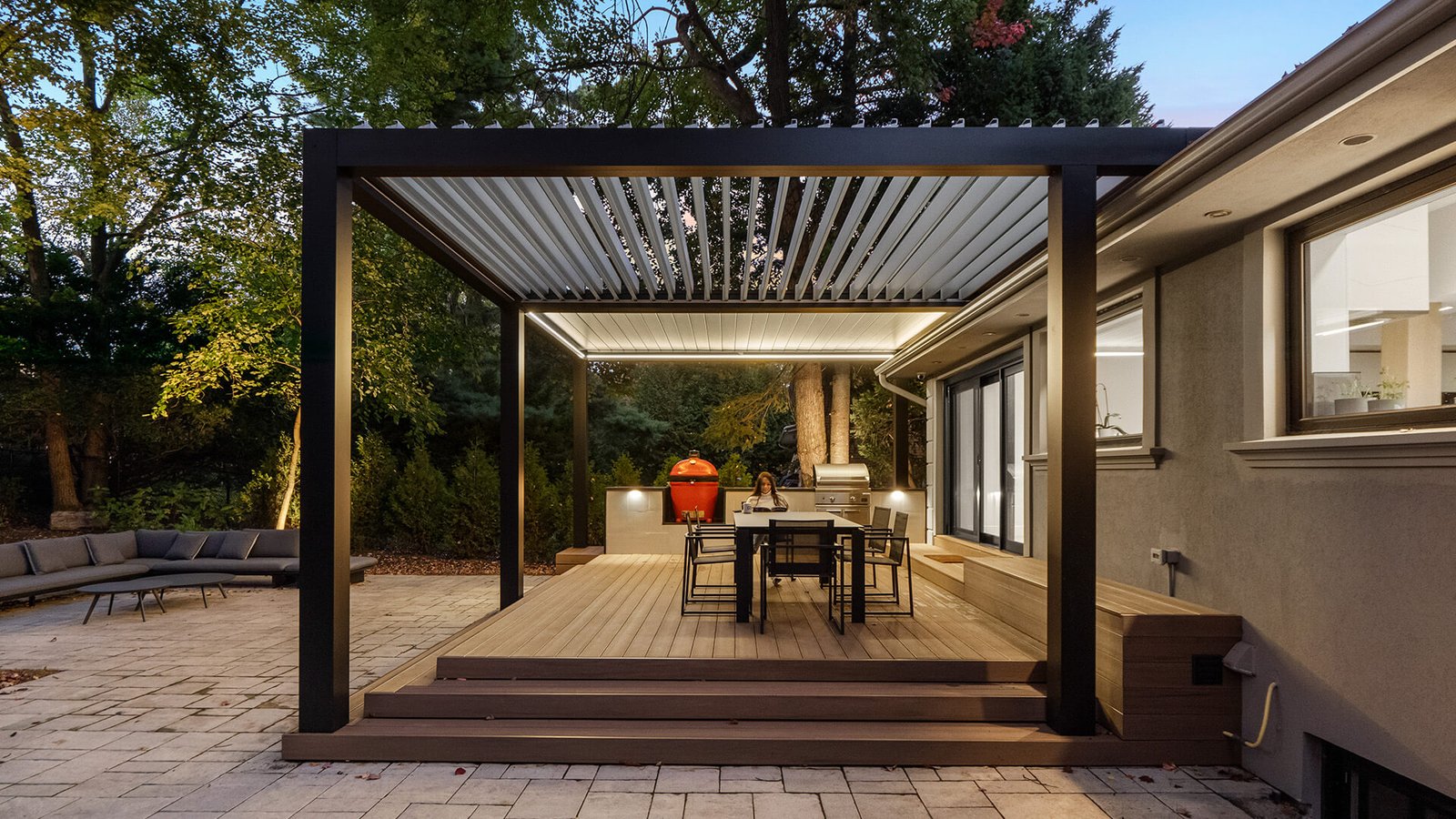
Quiet seating areas positioned away from high-traffic zones encourage reflection and solitude. Outdoor dining spaces foster connection and social interaction. Soft garden pathways promote movement and mindfulness. Together, these elements create a dynamic outdoor environment that supports multiple emotional needs.
This approach is especially valuable for homeowners in urban regions like Toronto and North York, where private outdoor space is limited and must be carefully optimized.
The Role of Planting in Mental Wellness
Plant-rich landscapes are one of the most powerful tools in wellness-oriented design. Layered planting creates visual depth while introducing natural rhythm and seasonal change. The presence of trees, ornamental grasses, and flowering perennials softens architectural edges and reduces the harshness often associated with modern residential environments.
Beyond visual appeal, planting contributes to improved air quality, sound buffering, and thermal comfort. Mature greenery also enhances privacy, allowing homeowners to feel more secure and relaxed in their outdoor space.
Across suburban communities in Oakville and Burlington, homeowners are increasingly prioritizing lush planting compositions over minimal lawns, recognizing their long-term psychological and environmental value.
Sensory Design: Light, Sound, and Texture
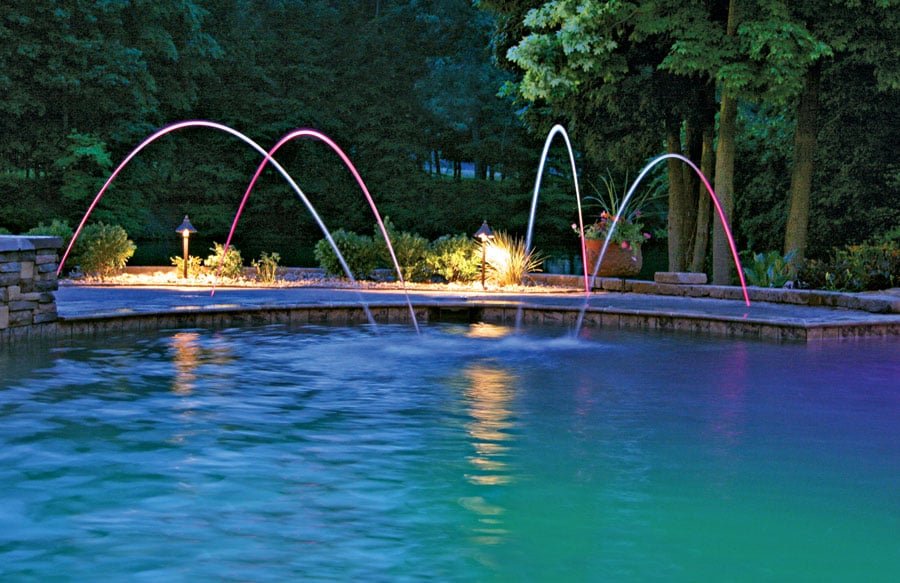
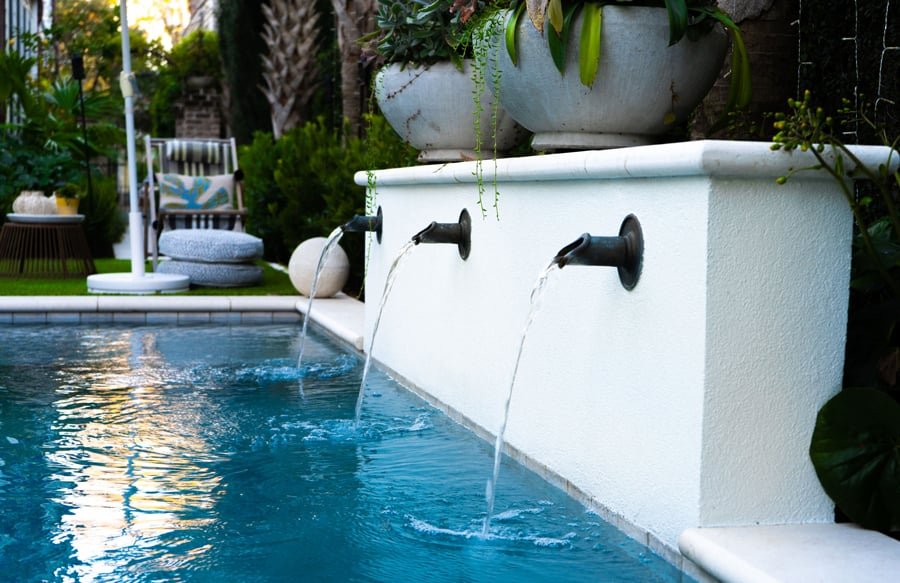
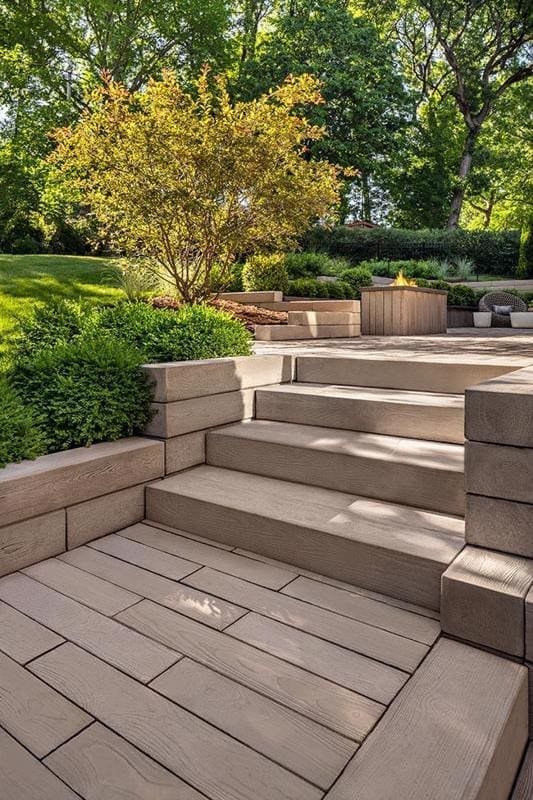
Landscape design that supports mental health must engage multiple senses. Soft landscape lighting extends usability into the evening while creating a warm, calming atmosphere. Water features introduce gentle ambient sound that masks urban noise and promotes relaxation. Natural materials such as stone, wood, and textured paving provide tactile richness that strengthens the connection to the environment.
These design strategies work together to create spaces that feel immersive and restorative rather than purely decorative.
Privacy as a Foundation of Wellbeing
Mental wellness is closely tied to the feeling of safety and personal space. Strategic screening through hedges, trees, and architectural elements allows homeowners to experience their outdoor environments without external distractions. This is particularly important in densely built neighbourhoods where visual exposure can reduce comfort.
A professionally designed landscape considers sightlines, spatial hierarchy, and enclosure to ensure that each outdoor zone feels intentional and protected.
Long-Term Value Beyond Aesthetics
While the emotional benefits of wellness-focused landscape design are significant, the financial advantages are equally compelling. Properties with thoughtfully designed outdoor environments often experience higher resale value, faster marketability, and stronger buyer appeal. In competitive real estate markets such as Oakville and Mississauga, outdoor living quality is becoming a defining factor in perceived property value.
Investing in landscape design that supports mental wellbeing is therefore both a lifestyle enhancement and a strategic financial decision.
Designing Spaces That Truly Support Daily Life
At Leo Landscape Studio, landscape design is approached as a holistic process that integrates architecture, lifestyle, and emotional experience. Each project is developed with the understanding that outdoor spaces play a critical role in how homeowners feel, live, and interact with their environment.
By combining spatial clarity, botanical richness, and material sophistication, we create landscapes that are not only visually compelling but deeply restorative.
If you are planning to transform your outdoor space into a private retreat that enhances both lifestyle and long-term property value, professional landscape design is the essential first step.